AP Top 25 poll shows apparent SEC favoritism after weekend results
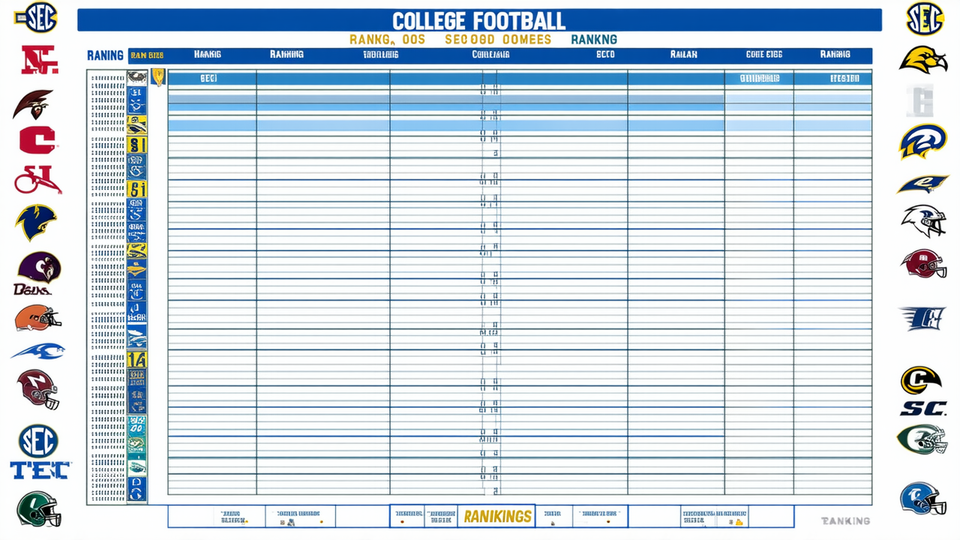
On October 5, a commentary accused the Associated Press Top 25 poll of bias favoring the SEC after this week’s poll movements.
The argument centers on the stark contrast between Mississippi State’s single‑spot drop from No. 16 to No. 17 following a 56‑23 home defeat by Alabama, and Iowa’s six‑spot slide from No. 14 to No. 20 after a 31‑14 loss to Ohio State. The writer points to the discrepancy as evidence that voters treat comparable losses differently based on conference affiliation.
Additional examples raised include Ole Miss, which remained at No. 9 despite a blowout loss to Florida, and Missouri, which jumped 11 spots after beating Florida even though its own loss to Mississippi State later looked weaker. The commentary also notes that 5‑0 Nebraska, regarded as strong by analytics, remains unranked, while SEC teams with similar or inferior records retain high poll positions.
Analysts referenced ESPN’s SP+ metric, which ranks Mississippi State at No. 27 and Nebraska at No. 12, highlighting a divergence between statistical rankings and the AP poll. The piece argues that such divergence can shape the narrative around “ranked wins” and “ranked losses,” feeding into College Football Playoff selection committee discussions despite the committee’s own criteria.
Critics of the poll argue that preferential treatment creates unrealistic expectations about strength of schedule and inflates the perceived depth of the SEC. They contend that relying on conference reputation rather than objective performance undermines fairness across college football and may disadvantage non‑SEC programs in playoff considerations.
The commentary sparked discussion among fans and analysts, with some defending the poll’s historical emphasis on perceived conference strength, while others call for greater transparency and consistency in voting criteria.
Voters have not publicly responded, and the next AP poll is scheduled for release after the upcoming weekend’s games, leaving open whether the highlighted disparities will prompt any change in voting patterns.