

Conservative Critics of Trump Amplify Intra‑Party Rifts Ahead of Midterms
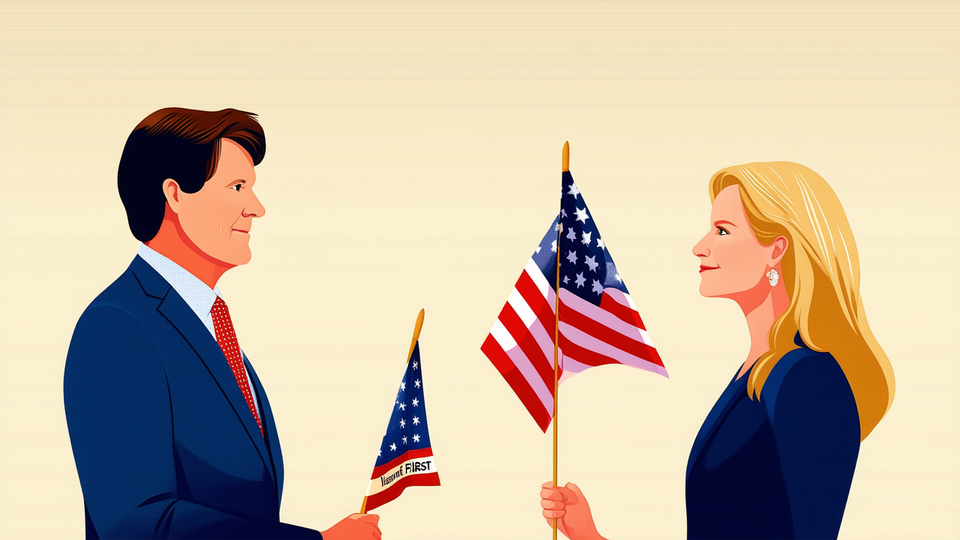
Mid‑June 2026 marked a turning point for the Republican Party as two high‑profile conservatives aired starkly different critiques of President Donald Trump. Tucker Carlson, who once campaigned for Trump, went on record this week calling the President “weak” and announcing he could not support the Republican Party in the upcoming midterms. Carlson framed his stance as a refusal to endorse a party he now views as drifting from its core principles, yet his own commentary hints at a broader vision: a push to reshape the GOP into an even more radical, Christian‑nationalist movement.
In a separate but related remark, Rep. Marjorie Taylor Greene emphasized the electoral calculus surrounding Trump’s policies. Greene warned that if the President continues to champion “America First” initiatives, he would likely retain his poll numbers among the party’s base. Her comment underscores a lingering loyalty among a segment of conservatives who still see Trump’s agenda as a cornerstone of Republican appeal.
Carlson’s Break with the Party
Carlson’s remarks, delivered on a Canadian podcast, emphasized that he sees “no chance” of supporting the GOP in the upcoming elections. While mainstream outlets portrayed his statements as a moderate pivot, his own narrative suggests a strategic move to seize control of the party from within, rather than abandon it. He has already begun signaling a shift in symbolism, replacing the American flag on his set with the “Appeal to Heaven” flag—a design associated with the Jan. 6 rioters and Christian nationalist ideology.
Moreover, Carlson’s criticism extends to the administration’s foreign policy, particularly the Iran war, which he claims has damaged Trump’s reputation. Poll data cited by Carlson’s analyst, G. Elliott Morris, indicates only 8 % of Americans are satisfied with the current political climate, with half demanding “major, disruptive changes.” This environment, Carlson argues, creates an opening for a more extreme brand of conservatism to dominate.
The Greene Counterpoint
Greene’s warning about maintaining “America First” reflects a pragmatic concern: Trump's popularity among the GOP base remains tied to his nationalist messaging. She suggested that deviating from these policies could erode the party’s support in forthcoming polls, implying that despite Carlson’s rhetoric, many Republicans still view Trump’s platform as essential for electoral success.
Both voices illustrate an evolving internal debate. While Carlson pushes for a new, more radical direction—favoring a blend of religious nationalism and aggressive foreign‑policy stances—Greene underscores the electoral risk of moving away from Trump‑centered policies.
Implications for the Midterms
The clash between these factions threatens to fragment the Republican voter base. If Carlson’s push for a hard‑right overhaul gains traction, it could alienate moderates and jeopardize the party’s ability to field unified candidates. Conversely, Greene’s adherence to Trump’s agenda may keep traditional voters engaged but risks limiting the party’s appeal to swing voters increasingly wary of extremist rhetoric.
Political analysts note that the GOP’s internal discord mirrors broader public dissatisfaction; a recent Strength In Numbers/Verasight poll shows that half of Americans believe “major, disruptive changes” are necessary. As the midterm races approach, this division could become a decisive factor, shaping campaign strategies, candidate selections, and ultimately, the balance of power in Congress.
Whether Carlson intends to run for president in 2028, act as a kingmaker, or simply reshape the GOP from the media spotlight, his outspoken criticism signals a new era of intra‑party contestation. Greene’s reminder of Trump’s electoral pull further complicates the picture, suggesting the Republican Party may soon face a critical crossroads: continue under Trump’s established brand or embrace a more extreme, ideologically driven future.





