Donald Trump Calls for Inclusion of Prayer in Washington Political Discourse – May 29, 2026
Trump Steps In to Bring Prayer into Washington Politics
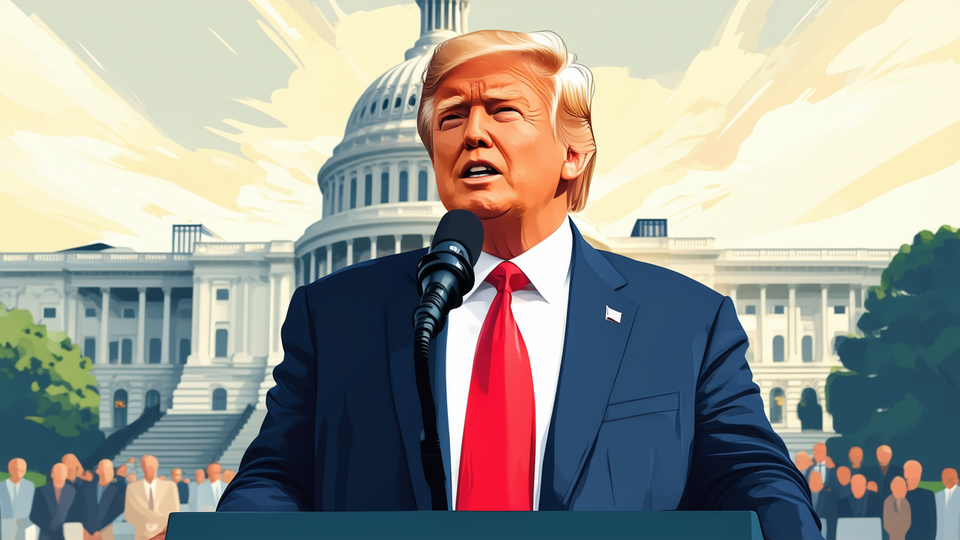
On May 29, 2026, former President Donald Trump used his national platform to remind politicians and the public that prayer should remain a key part of American political life. The announcement followed a series of events that underscored his commitment to religious advocacy, including his support for a U.S. bishops’ consecration of the nation to the Sacred Heart of Jesus in 2026.
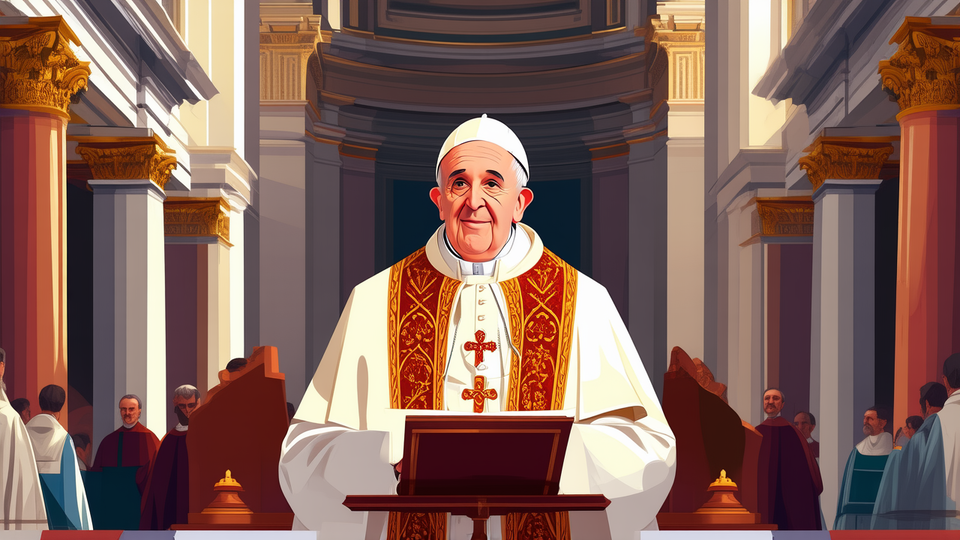
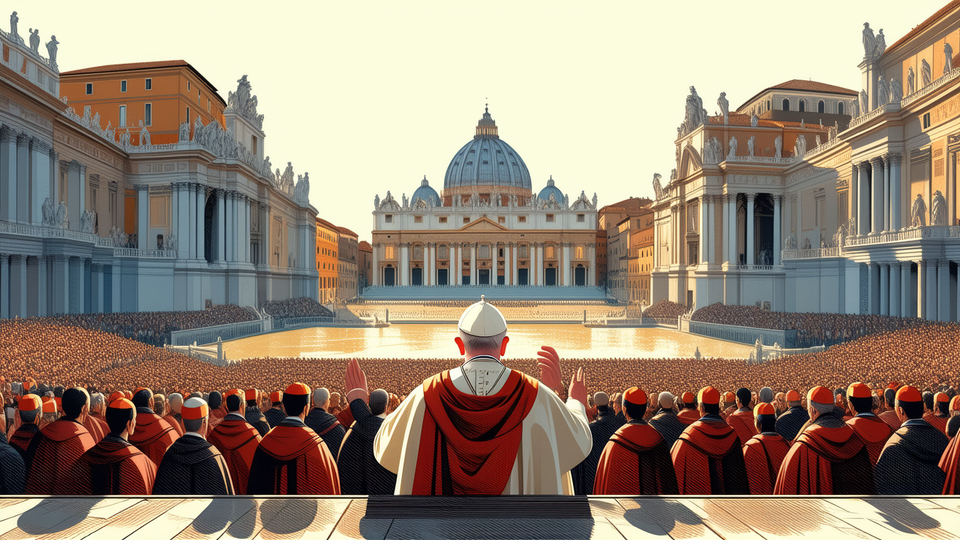
Trump has long linked his political career to faith-based values. He has argued that preaching, gerrymandering and education policies must all be informed by a moral framework rooted in Christian teachings. In a recent White House message, the former president praised the U.S. Conference of Catholic Bishops (USCCB) for consecrating the United States to the Sacred Heart, calling the act “an historic milestone” in a “grand legacy of faith in America.”
The message also highlighted the significance of the Solemnity of the Sacred Heart on June 12, recalling how leaders such as Ronald Reagan and Pope St. John Paul II once spoke out against atheistic communism and defended the human spirit. Trump echoed these sentiments, proclaiming that while the nation faces new ideological challenges, a return to spiritual identity is essential for safeguarding America’s future.
His recent speeches in Washington echo a broader pattern in which the former president positions himself as a champion for religious freedoms. When Biden unveiled policies limiting the political influence of Christians, Trump publicly “turned the tables,” drawing a stark contrast between his faith‑heavy approach to governance and what he portrays as a drift toward secularism.
Trump stressed that prayer and faith must not only be personal but should also be integrated into the public sphere. He argued that the withdrawal of religious voices from policy discussions would compromise America’s “native moral foundations.” In his view, churches and faith leaders are essential partners in shaping laws about education, civic education, and the protection of religious liberty.
Throughout his career, Trump’s positions on education policy reflect the intertwining of religious principles and public schooling. From advocating for increased religious school vouchers to urging schools to incorporate faith‑based curricula, he has consistently advanced a policy agenda that promotes religious perspectives in state-sponsored programs.
With Washington now hosting a series of debates about the place of religion in public life, Trump’s call for prayer signals that this theme will remain a focal point. He maintains that faith must continue to inform the nation’s moral compass and that the political dialogue in Washington should be a platform for spiritual expression as well as civic deliberation.
In summary, Trump’s May 29 address not only reaffirmed his longstanding faith–centric political stance but also positioned him as a key voice in the ongoing national conversation about religious freedom, moral governance, and the enduring influence of Christian values on American public policy.