

Governor Hochul faces backlash over affordability claims amid rising taxes and energy costs
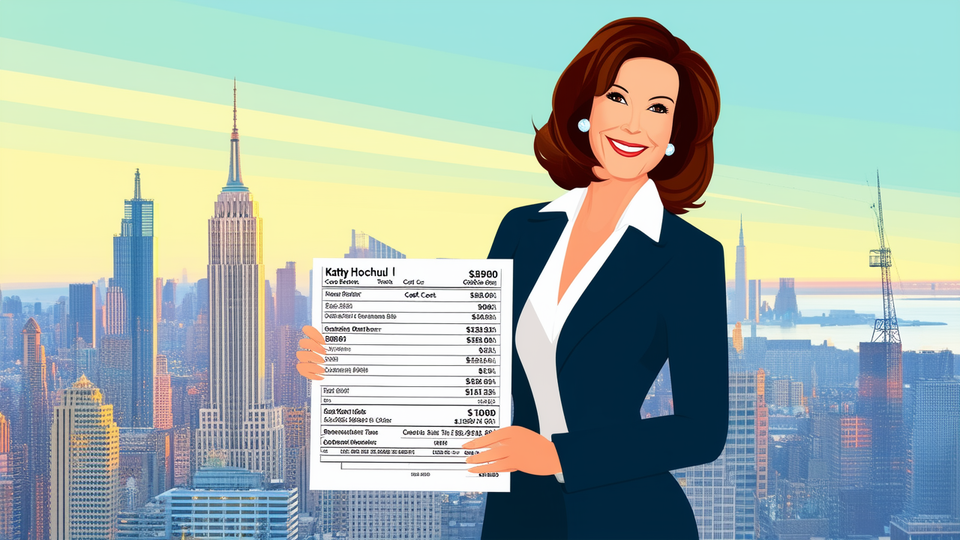
On September 16, 2026, columnist Michael Goodwin published an opinion piece sharply criticizing Governor Kathy Hochul for pledging to make New York more affordable while state policies, according to his analysis, continue to drive up the cost of living.
Goodwin pointed to record household energy costs, noting that New York’s residential electricity prices sit 60.8% above the national average and have risen 59.1% since 2019, outpacing the national increase of 37.7%. He argued that Hochul’s support for green mandates, opposition to natural‑gas extraction and blocking of upstate pipelines have contributed to these spikes.
In response to the utility price surge, Hochul announced a rebate program that could deliver checks of up to $500 to millions of residents. Goodwin dismissed the initiative as an election‑year gimmick, saying it merely masks the underlying policy choices that have pushed prices higher.
Separate reporting from the Citizens Budget Commission confirms that New York leads the nation in per‑capita tax collection and ranks near the top in overall state spending. The 2024 fiscal year saw Medicaid expenditures exceed $100 billion annually, while public school spending reached nearly $32,000 per student—81% higher than the national average.
The state’s $278 billion budget for the current year marks a $10 billion increase over the previous year, reflecting a nearly 40% rise in spending across the five budgets overseen by Hochul, a pace that outstrips inflation.
Republican gubernatorial contender Bruce Blakeman has seized on the affordability narrative, accusing Hochul of using taxpayer money to prop up a failing policy framework. He pledged to cut utility fees, repower shuttered power plants and tap the state’s natural‑gas reserves, positioning his platform as a counterpoint to Hochul’s “big‑spending” approach.
As New York voters weigh the governor’s record against her promises, the affordability debate is set to dominate the final stretch of the campaign season, with both parties framing the issue as a litmus test for the state’s economic future.