Houthi missiles damage top floors of Saudi Aramco headquarters in Dhahran
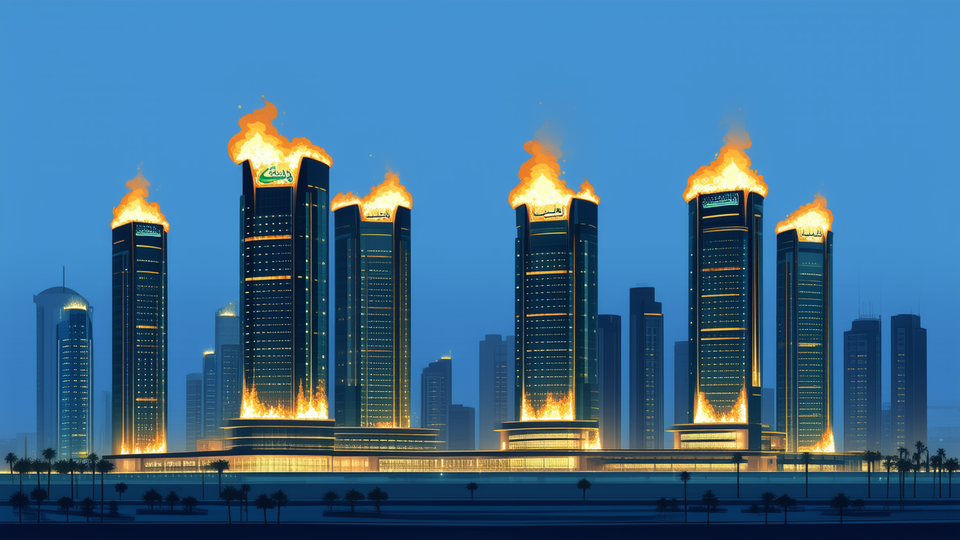
Iran‑backed Houthi rebels launched a wave of missiles at Saudi Arabia on Tuesday night, striking the headquarters of national oil company Saudi Aramco in Dhahran and causing severe damage to the building’s top three floors.
The Saudi Ministry of Energy reported that a limited fire broke out on the upper levels, affecting offices used by CEO Amin Nasser and other senior executives, as well as the company’s operations center for its drilling and shipping network. No casualties were reported, and Saudi officials said the building has not been abandoned, though some functions have moved to other offices and staff have been asked to work from home.
Saudi military sources said they intercepted a missile targeting Dhahran in addition to missiles and drones aimed at Riyadh and the city of al‑Kharj, where Prince Sultan Air Base is located. The base, used by Saudi and American forces, has previously been hit by Iranian missiles.
Houthi spokesman Brig. Gen. Yahya Saree claimed the attacks were a “harsh and painful” response to Saudi airstrikes in Yemen and warned that further strikes on Saudi airports and oil facilities would continue. He said ballistic missiles, cruise missiles and drones were used in the operation.
Senior Houthi official Mohamed al‑Bukhaiti told the Associated Press that the group is willing to discuss a ceasefire mediated by Oman if Saudi forces withdraw from Yemen and lift economic pressure on the Houthis.
The United States mission in Saudi Arabia issued a bulletin urging U.S. employees to obtain special authorization before using Saudi airports, citing recent aerial attacks. The bulletin also reminded staff that publishing or sharing images of missile impacts could expose them to legal liability under Saudi law.
President Donald Trump, commenting on the strike, said the Houthis were “behaving very badly” and suggested the attacks were intended to drive up oil prices ahead of U.S. elections. He warned the group that “somebody should explain” the consequences of their actions.
Saudi officials indicated that the damage will require repairs and a reassessment of security for critical energy infrastructure, while the broader conflict continues to threaten regional stability and global oil markets.