IRGC threatens U.S. undersea communication cables amid growing tensions
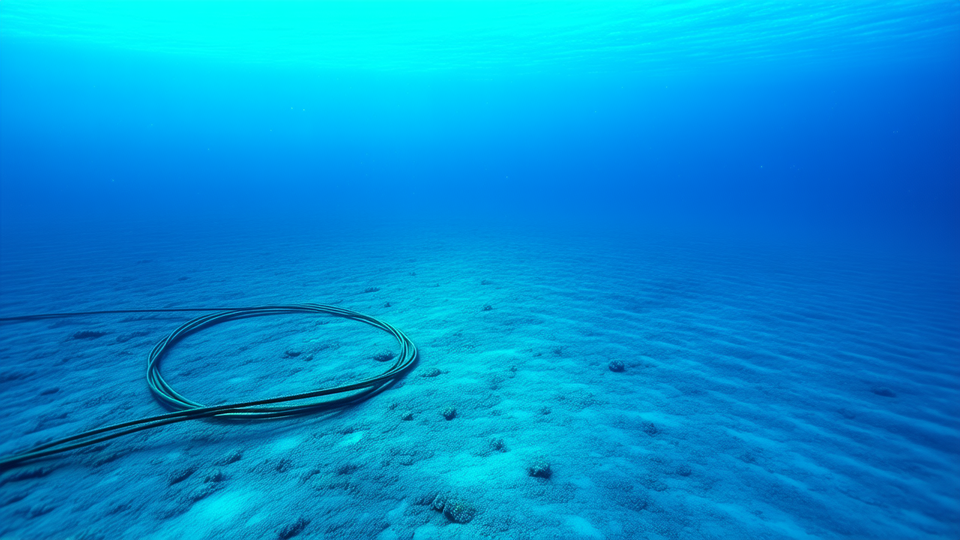
On October 12, 2026 the Islamic Revolutionary Guard Corps issued a statement threatening attacks on U.S. undersea communication cables, data centers and artificial‑intelligence facilities if military operations in the Gulf restart.
The warning came from Maj. Gen. Mohsen Rezaei, secretary of Iran’s Supreme National Security Council, who told Press TV that American‑linked technology infrastructure in the region was valued at more than $2 trillion and could become a target if war resumed.
Rezaei said the United States had responded inadequately to Tehran’s demands over the Strait of Hormuz and that “American‑linked undersea communications cables, data centers, and artificial‑intelligence facilities throughout the Gulf could become targets if military operations resume.”
U.S. officials have dismissed the threat as largely rhetorical. Analysts noted that Iran’s economy is under severe strain—its oil sales have been crippled and the rial is virtually worthless—making the threats appear more like bluster than a credible operational plan.
Security experts stressed that undersea cables are a critical component of global communications, carrying the bulk of international data traffic. Disruption of these fibers could affect not only American interests but also European, Chinese and Russian networks that rely on the same pathways.
“The pulse of the American economy in this region runs through our part of the world,” Rezaei warned, echoing earlier statements that the Gulf holds a substantial share of U.S.‑linked technological assets. While no specific cables were named, the threat aligns with Tehran’s broader strategy of leveraging strategic chokepoints to extract concessions.
Washington has not publicly confirmed any change in policy in response to the warning. The administration continues its naval blockade of the Strait of Hormuz and maintains pressure on Iran’s oil exports, while also signaling a reluctance to expand military action before the November midterm elections.
Observers note that the IRGC’s rhetoric may be intended to signal resolve domestically and internationally, even as Iran’s capacity to execute complex cyber‑or physical attacks on submarine infrastructure remains uncertain.
The next steps will likely involve close monitoring by U.S. naval and cyber forces, as well as diplomatic channels aimed at de‑escalating tensions before any actual disruption of undersea communications can occur.