

Jim Bakker dies at 86, leaving an unexpected interfaith legacy
Jim Bakker, the pioneering televangelist behind The PTL Club, died at 86 on June 10, 2026, according to statements from his wife Lori Bakker.
Lori announced on a Facebook post that Bakker “went home to be with the Lord” and remembered his “66 years” of preaching the Gospel of Jesus Christ. His death marks the end of a career that spanned television fame, a multimillion‑dollar empire, a high‑profile scandal, a prison term and a comeback on The Jim Bakker Show.
Bakker first rose to national attention in the 1970s, co‑hosting The PTL Club with his first wife Tammy Faye. The show grew into a daily broadcast that reached millions and funded the Heritage USA theme park. After a 1987 scandal involving a hush‑money payment to church secretary Jessica Hahn and a later fraud conviction, Bakker served five years in prison before returning to ministry in the 1990s.
Beyond his well‑known public life, Bakker’s influence extended into an unlikely interfaith story. An Orthodox Jewish rabbi’s son, Benyamin Cohen, grew up in the Bible Belt watching the television productions Bakker helped popularize. In the 1980s he was “a spiritual window‑shopper” whose bedroom window faced a Methodist church.
“Jim Bakker convinced me to go to church.”
Inspired by Bakker’s televised format, Cohen planned a year‑long project to attend 52 different churches on 52 Sundays. He secured permission from his own rabbi on two conditions: he must wear a press badge and a yarmulke so worshippers would know he was a journalist, not a participant.
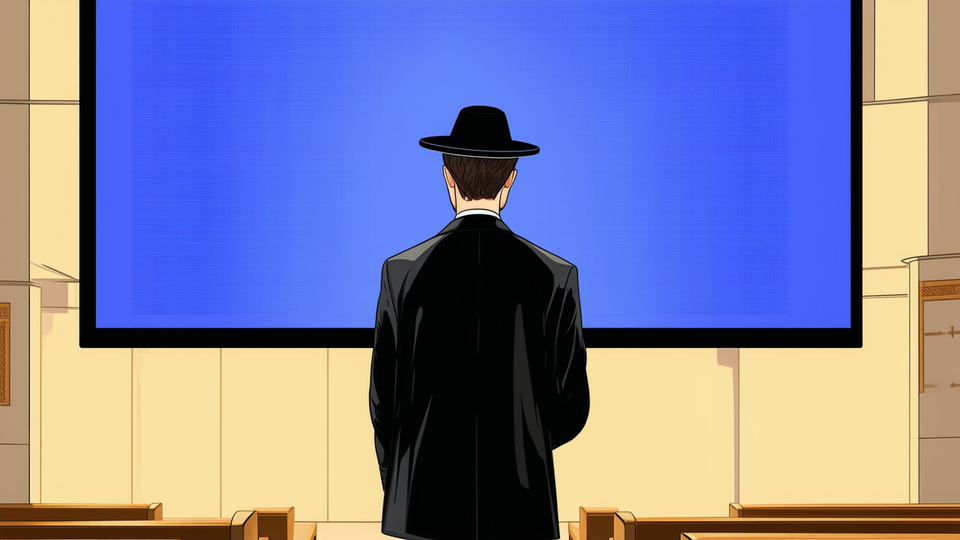
Cohen’s first stop was New Birth Missionary Baptist Church, where he appeared on the Jumbotron within minutes of arriving. He described the experience as “the big screen turned my shayna punim into a 20‑feet tall image for all to see.” The intense production values, a hallmark of Bakker’s shows, gave Cohen a front‑row seat to the televised worship style he had only seen on TV.
“I’d spent my childhood sure the grass was greener at the proverbial church across the street. It wasn’t. It was just better lit. Once the cameras and the choirs were gone, what I found were people trying, like me, to figure out how to believe, and some of them were doing it better than I was.”
His pilgrimage, which he later chronicled, concluded that “hanging out with Jesus made me a better Jew.” The journey also highlighted the broader cultural impact of Bakker’s media innovations, which continue to shape worship experiences across faith traditions.
As news outlets reported, Bakker’s death brings both his controversial past and his enduring influence into focus. While his empire collapsed after the 1987 scandal, the production techniques he championed still ripple through American religious broadcasting, even reaching an Orthodox Jewish audience that once felt distant from the spectacle.
The family’s statement asked for privacy and prayers, noting that Bakker “finished his race with faith.” The story of the rabbi’s son underscores how a single media personality can leave an unexpected, lasting imprint beyond his own denomination.





