

Michigan Democratic Senate Primary: McMorrow and El‑Sayed Battle for the Party’s Future
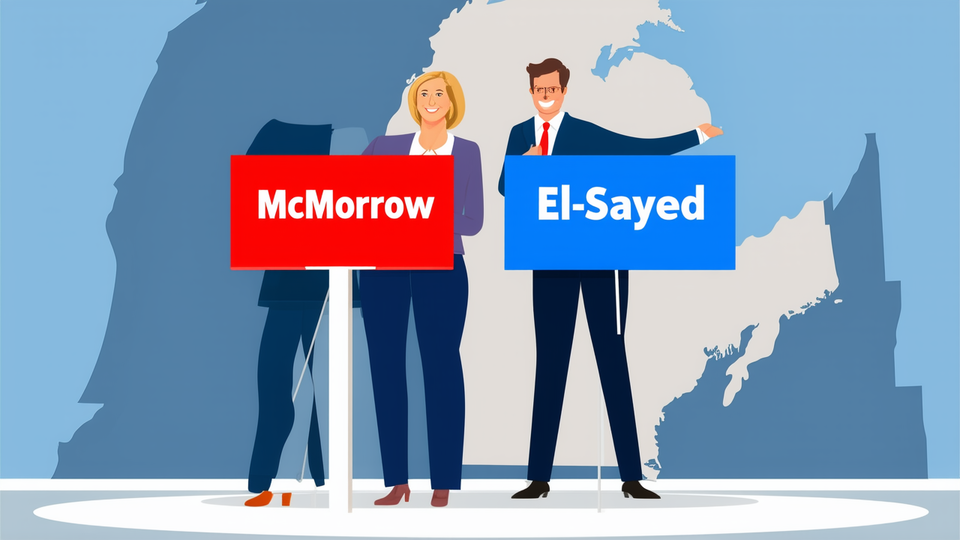
Michigan Senate Primary Heats Up
State Senator Mallory McMorrow and progressive activist Abdul El‑Sayed have emerged as the two leading contenders in a fiercely contested Democratic primary for Michigan’s U.S. Senate seat. McMorrow, a seasoned lawmaker, frames herself as a “fighter” who refuses to let a Trump‑aligned candidate win the seat, stressing the need for a pragmatic approach to national issues such as the war in Iran.
El‑Sayed runs on a bold progressive platform that includes Medicare for All, a complete halt to U.S. weapons transfers to Israel, and a strong partnership with organized labor. The United Auto Workers has endorsed his campaign, and his message resonates with voters demanding a clear break from corporate influence.
The primary has drawn high‑profile endorsements that expose a split within Senate leadership. Senator Chris Van Hollen publicly backs El‑Sayed, marking the first time a sitting senator has broken with party leadership to support a challenger. Meanwhile, Senate Majority Leader Chuck Schumer has thrown his support behind U.S. Rep. Haley Stevens, another moderate contender, underscoring the ideological tension between the party’s establishment and its progressive wing.
McMorrow has faced pressure from outside the race to withdraw, with critics questioning her polling numbers and her criticism of left‑wing streamer Hasan Piker’s influence. Undeterred, she appeared on national television to defend her campaign, emphasizing that the Democratic electorate needs a candidate who will stand up to Donald Trump’s legacy and offer concrete policy solutions.
Looking Ahead
The outcome of the Michigan primary will likely shape the broader direction of the Democratic Party in a battleground state. If El‑Sayed consolidates progressive support and secures additional labor endorsements, he could position himself as the anti‑establishment alternative. Conversely, McMorrow’s emphasis on experience and a moderate foreign‑policy stance may appeal to voters seeking stability and a clear break from Trump‑aligned rhetoric. As the race intensifies, both candidates must sharpen their outreach and clarify their visions to win over the diverse Democratic electorate in Michigan.





