

National Parks Exhibit Removals Spark Outcry Over History and Science
Introduction
In mid‑June 2026, a sweeping directive from the former Trump administration triggered the removal of over fifty interpretive exhibits from national parks across the United States. The order targeted signs and panels that referenced slavery, civil‑rights struggles, and scientific findings on climate change, arguing that such content “disparaged Americans.” At least thirty‑seven park sites were affected, sparking immediate legal and public backlash.
Body
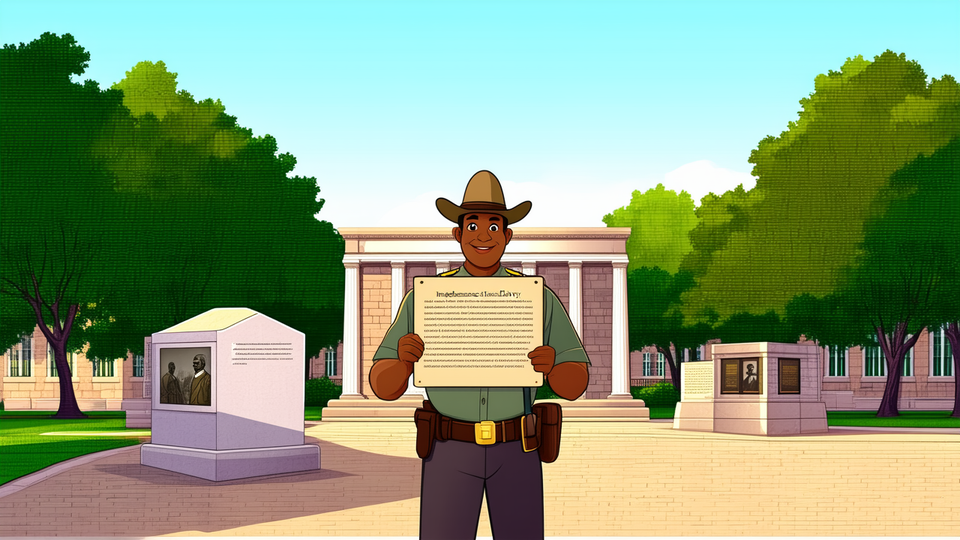
The removals included a well‑known exhibit at Philadelphia’s Independence National Historical Park that described enslaved people owned by George Washington. Similar actions were taken at sites in Glacier National Park, where climate‑change information was taken down, and at numerous locations highlighting African‑American contributions, women’s suffrage, and indigenous histories. The Department of Justice later described the task of reinstalling these displays as “herculean and unmanageable,” noting that a full restoration would likely extend beyond the Fourth of July deadline.
Federal courts intervened quickly. U.S. District Judge Angel Kelley issued a preliminary injunction that halted further modifications and required weekly progress reports on the reinstatement of the removed panels. Judge Kelley warned that the administration’s approach amounted to rewriting history with a “white‑out pen,” emphasizing that a complete national narrative must include the experiences of all communities.
The controversy ignited grassroots activism. Former park rangers, organized under the “Resistance Rangers,” launched the America 433+ teach‑ins, beginning with a Juneteenth event at Harpers Ferry National Historical Park. Volunteers distributed printed copies of banned pamphlets, set up pop‑up exhibits, and encouraged visitors to learn about the erased stories. Their efforts underscored the essential role of public lands in educating the nation about its complex past and scientific realities.
Legal challenges have framed the issue as a broader clash between political censorship and the stewardship of public heritage. Advocates argue that removing historically accurate information violates the public’s right to a complete understanding of American history and undermines scientific literacy. The administration’s executive order, titled “restoring truth and sanity to American history,” was criticized for attempting to sanitize the nation’s narrative rather than promote informed dialogue.
Conclusion
The removal of these exhibits illustrates a pivotal moment where politics intersected with education, history, and environmental science on America’s public lands. While the courts have temporarily blocked further erasures, the ongoing effort to restore the signage highlights the challenges of undoing politically motivated censorship. As the nation commemorated its 250th anniversary, the debate reminded citizens that preserving a truthful and inclusive record of the past is essential for a healthy, informed democracy.





