

New Book “Regime Change” Reveals Inside Trump White House
Washington – On June 24, 2026 the political world received a fresh look at the final chapter of Donald Trump’s presidency with the release of Regime Change: Inside the Imperial Presidency of Donald Trump. Co‑authored by veteran journalists Maggie Haberman and Jonathan Swan, the book draws on their unparalleled access to the Trump White House to map out the inner workings of an administration that often seemed on the brink of crisis.
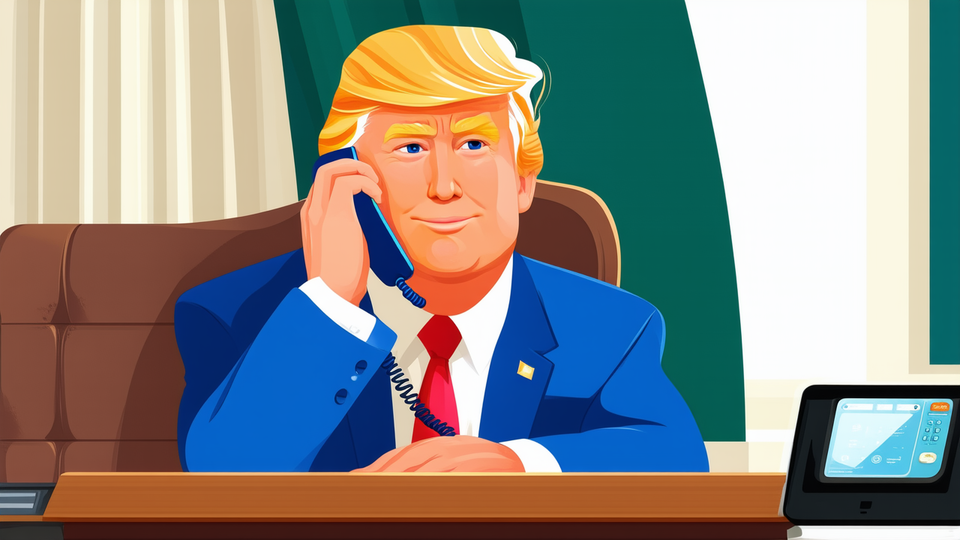
The authors open with a vivid scene that captures both personal and political drama: a nineteen‑year‑old Barron Trump, a fervent supporter of right‑wing activist Charlie Kirk, called his father to deliver the shocking news that Kirk had been shot in Utah. According to the book, President Trump immediately told his son, “Calm down,” while appearing visibly unnerved himself. The moment illustrates how personal concerns and national security intermingled within the Oval Office.
Beyond that phone call, Regime Change details a series of security incidents that defined Trump’s final months. The authors recount a July 13, 2024 rally in Butler, Pennsylvania, where Trump was wounded in the ear, a September 15, 2024 shooting at the West Palm Beach golf club, and an incident at the White House Correspondents’ Dinner in April 2025. Each event prompted a rapid scramble among senior staff to gather intelligence, assess threats, and brief the president.
Perhaps the most startling revelations revolve around discussions of expanding executive power. The book reports that senior officials debated suspending habeas corpus—an extreme legal measure that would allow indefinite detention without trial. While some White House aides called the idea “insane,” the president reportedly remained interested, seeking tools to bypass what he described as “judicial roadblocks.” In parallel, officials considered invoking the Insurrection Act, a statute that authorizes the president to deploy troops for domestic law enforcement.
Another episode highlights Trump’s foreign‑policy maneuvering. The authors describe how, in 2025, former Venezuelan President Nicolás Maduro attempted to sway Trump by offering fabricated evidence of election‑machine tampering in the 2020 U.S. presidential race. Trump’s administration entertained the claim, viewing it as a potential gateway to improve relations with Venezuela, only for the plan to unravel after Maduro’s capture by U.S. forces.
These insights paint a portrait of a White House wrestling with internal discord, external threats, and an overarching desire to cement authority. Haberman and Swan’s narrative underscores how the administration’s decision‑making process was heavily influenced by personal loyalties, media narratives, and a relentless pursuit of political advantage.
“Regime Change” arrives at a critical moment, as the nation prepares for the 2026 and 2028 election cycles. By exposing the mechanics of the Trump administration’s power dynamics, the book offers scholars, journalists, and voters an essential resource for understanding one of the most turbulent eras in recent American history.





