OpenAI accuses former employee of giving unreleased device files to Apple
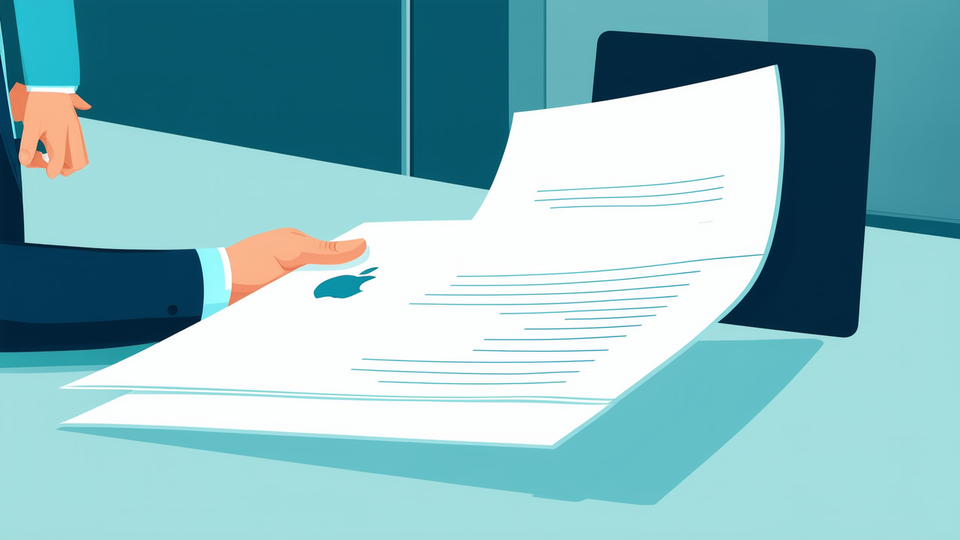
OpenAI filed a court document on Wednesday, October 14, 2026, accusing an unnamed former employee of sending more than 100 highly confidential files about an unreleased OpenAI device to personal accounts and delivering them to Apple.
The filing says the files – described as detailed images and engineering and manufacturing data – were transmitted as early as just after midnight in Singapore on June 2, 2026, the employee’s final day at OpenAI. The same document alleges the employee, who previously worked at Apple, spent six months at OpenAI before returning to Apple, and that he presented OpenAI’s product plans to Apple’s senior leadership, including the company’s vice president of operations in Asia.
OpenAI claims the stolen material could bolster Apple’s “new push into AI‑enabled products,” referencing Apple’s recent launch of its “Apple Home” line of smart‑home accessories. The company says it has approached Apple for written assurances that the documents are not in Apple’s possession and have not been used, but it has not received a response.
Apple’s spokesperson responded that the company has strict policies to prevent new hires from misusing confidential information from prior employers. The spokesperson added that Apple has found no evidence supporting OpenAI’s allegations and has not provided further comment.
The dispute arises amid a broader legal battle in which Apple sued OpenAI in July, alleging that two former Apple employees – senior system electrical engineer Chang Liu and former VP of product design Tang Yew Tan – stole Apple trade secrets after leaving the company. Apple seeks an injunction to prevent OpenAI from using any Apple proprietary information, while OpenAI counters with its own claim of trade‑secret theft.
U.S. District Judge Edward Davila, presiding over the case, indicated he is likely to side with Apple on the injunction request and described Apple’s demand for a forensic inspection of all OpenAI devices and code as a “huge ask.” Apple later limited the inspection request to a small group of former employees now at OpenAI.
The filing does not identify the former OpenAI employee by name, and no court has yet ruled on the new allegations. Both companies continue to negotiate over the exchange of information while the broader case proceeds through the federal courts.