

Prairieland Sentencing Sparks National Outcry Over Protest Rights
Prairieland Sentencing Sparks National Outcry Over Protest Rights
On June 25, 2026, a federal judge in North Texas sentenced eight participants in the Prairieland demonstration to a combined 450 years in prison. The judge, Chief District Judge Reed O’Connor, said the harsh punishments were meant to send a clear message to anyone who shares a similar ideology, explicitly linking the sentences to a perceived national emergency for political dissent.
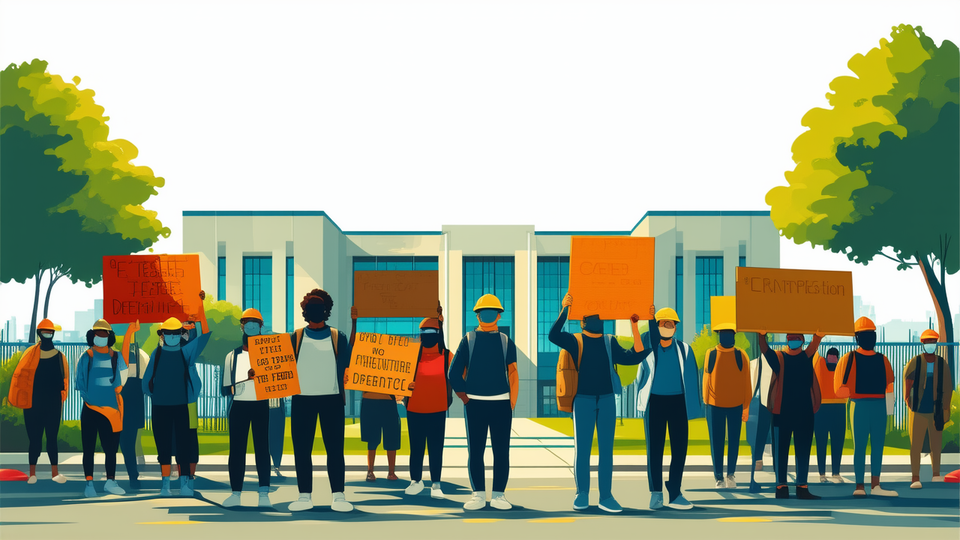
The Prairieland case began with a July 4, 2025 demonstration outside an ICE detention center in Alvarado, Texas. While most demonstrators left after a brief warning, a small group remained, leading to a confrontation that resulted in a police officer being wounded by gunfire. The government portrayed the incident as an antifa assault, despite limited evidence, and charged the defendants with providing material support to terrorists for activities such as printing left‑leaning pamphlets and joining an anarchist book club.
Supporters of the defendants argue that the sentences punish constitutionally protected speech. Kels Menchaca of the DFW Support Committee highlighted that activities like distributing political literature and using fireworks were treated as terrorism. Legal analysts note that the charges extend to actions that would normally be protected under the First Amendment, raising concerns about a broader trend to criminalize dissent.
Public reaction has been swift and varied. Civil‑rights groups and local community members have organized rallies and legal defense funds, warning that the precedent could deter future protests against government policies. Critics of the administration point to the executive order labeling “antifa” as a domestic terrorist organization—an entity that does not legally exist—and a national security memo that expands investigations into political activism.
Prosecutors, however, maintain the necessity of strong deterrence, emphasizing the need to protect immigration officials from violent attacks. The sentencing aligns with other recent cases, such as the Broadview Six in Chicago, where charges were later dropped due to prosecutorial misconduct, suggesting a pattern of aggressive legal strategies against protestors.
As the appeals process unfolds, the case remains a flashpoint for a national conversation about the limits of law enforcement power, the protection of free speech, and the role of the judiciary in political conflicts. The outcome will likely influence how future demonstrations are policed and what legal risks activists face when challenging government policies.





