

Protest Over Coffee Shop Ban of Pro‑Israel Lawmaker Sparks Nazi Germany Comparisons
Brooklyn Coffee Shop Ban Fuels Heated Debate
On June 24, 2026, a New York City coffee shop known as Poetica refused service to Rep. Dan Goldman after his recent visit. The shop posted an Instagram announcement that labeled him a “genocide enabler,” announced a refund of the $9.82 he spent, and declared he was no longer welcome. Goldman, a public figure known for his pro‑Israel stance, was caught on camera reacting to the ban and later described the shop’s actions as “crazy.”
The ban quickly became a national story. The coffee chain’s Instagram post featured a stark image of Goldman at the cash register, accompanied by a caption that compared the refusal to “the taste of genocide juice.” The shop’s followers amplified the post, demanding a public apology and drawing criticism for mixing commercial decisions with political commentary.
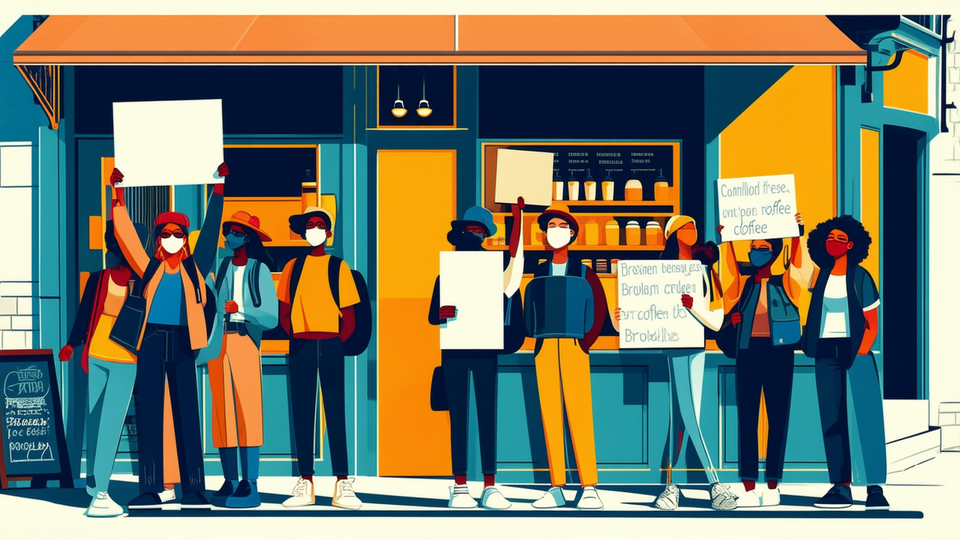
Supporters of the ban gathered outside the Poetica location in Williamsburg, holding signs and chanting. One protester, captured by Fox News, exclaimed, “This is how it started in Nazi Germany!” The remark echoed historical grievances, equating the shop’s exclusion of a pro‑Israel lawmaker with the persecution tactics of the Nazi era. While some observers agreed the firm’s language was inflammatory, others argued the comparison was an overreach that diminished the gravity of the Holocaust.
Following the uproar, the U.S. Department of Justice’s Civil Rights Division opened an investigation into whether the shop’s actions violated federal anti‑discrimination laws. Those laws prohibit public accommodations from refusing service based on race, religion, or national origin. The shop’s owners defended their stance as a response to Goldman’s perceived support for “genocide,” asserting they were targeting political views rather than protected characteristics.
Goldman, who visited the shop with his daughter, later told CNN that the experience highlighted a troubling trend of “censorship” and “public shaming” in political discourse. He emphasized his commitment to human‑rights issues while questioning whether businesses should police political beliefs. The incident has reignited discussions about free speech, the role of private enterprises in political debates, and the responsibility of public figures to engage respectfully.
As the investigation proceeds, the episode underscores the delicate balance between protest and prejudice, reminding citizens that historical analogies carry weight and must be used thoughtfully. The conversation continues to evolve, reflecting broader societal challenges around political expression, corporate accountability, and the protection of civil liberties in a polarized climate.





