Protesters rally in Washington to block driverless car bill
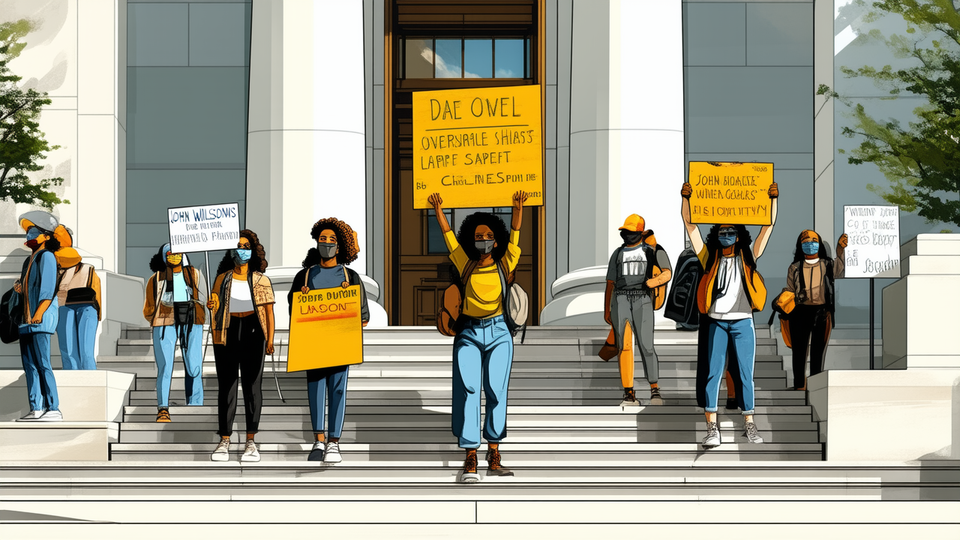
On Oct. 10, 2026, protesters assembled outside the John Wilson Building in Washington, D.C., as the city council considered the Autonomous Vehicle Deployment Authorization Amendment Act of 2026, a proposal that would allow driverless taxis on city streets beginning in 2028.
The demonstration highlighted fears that the bill could displace thousands of rideshare drivers and threaten community safety. "We came out here today strongly because we feel that these robotaxis will put people out of work," one protester told Fox News Digital.
Speakers referenced the bill’s details: it would create a program run by the District Department of Transportation, initially limit commercial autonomous vehicles to 200 units, and require operators to log at least 180 days and 250,000 miles of testing within the District before receiving permits.
Union leader Samuel Epps of the Metropolitan Washington Council, AFL‑CIO, urged council members to keep workers at the table, saying, "We shouldn't rush this." Drivers echoed the sentiment, with one participant from Virginia adding, "I'm against robotaxis because it takes away from the community, it takes away from their jobs, it takes away food from their table."
Supporters of the technology cited safety data from Waymo, which reported 82% fewer injury‑causing crashes and 95% fewer serious‑injury crashes compared with human‑driver benchmarks across more than 270 million miles of autonomous driving.
Critics warned that lower fares might be temporary. "That's just something to get our antennas up and have us saying, ‘yeah, we’re gonna get cheaper rides,’" one demonstrator said, adding that trial‑period prices could later rise to $50 per ride.
Some protesters offered alternative solutions, suggesting the city could shorten the workweek without cutting pay and create new jobs in public transportation, hospitals and service industries to offset any losses from robotaxis.
The council has not scheduled a vote on the bill, and the proposal remains pending further debate.