

State Department revokes more than 250,000 visas in sweeping immigration crackdown
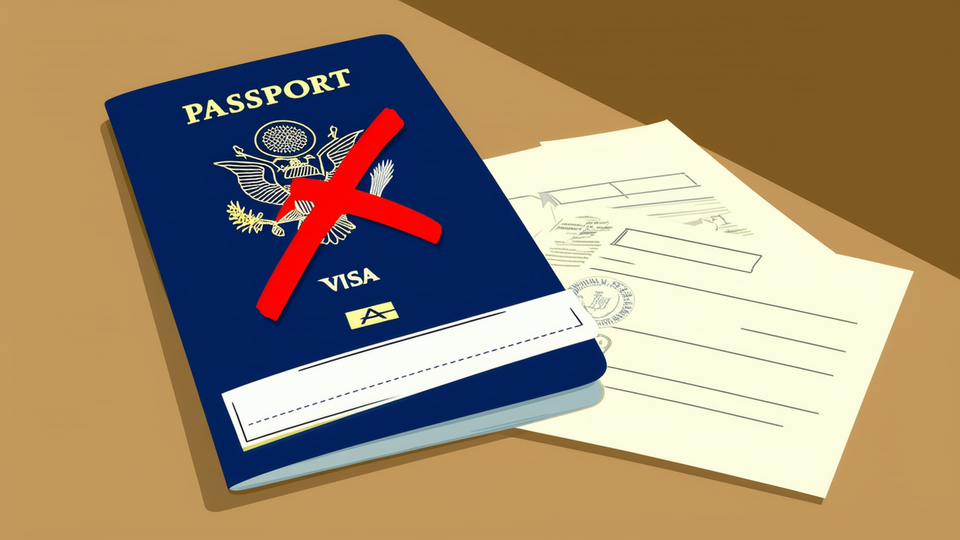
Washington – The U.S. State Department said on Monday it has revoked more than 250,000 visas since President Donald Trump assumed office, marking a historic wave of immigration vetting.
The revocations span a range of violations, including criminal conduct, fraud, threats to national security, and abuses of the immigration system. Among the denied visas were 2,300 linked to birth‑tourism schemes, where pregnant foreign nationals travel to the United States to give birth and secure citizenship for their children.
State Department spokesperson Tommy Pigott emphasized that a visa is a privilege, not a right, adding, "Every visa decision is a national security decision. Through continuous vetting on a scale never seen before, we are identifying and removing those who commit crimes, support terrorism, defraud Americans, or abuse our immigration system."
In the latest action, the department withdrew the visas of 27 Latin American officials, former officials, and their family members from Bolivia, Colombia, Ecuador and Peru, citing accusations of corruption.
The crackdown follows an August wave that eliminated more than 175,000 visas, primarily for law‑enforcement encounters involving assault, driving under the influence, theft, drug offenses, reckless driving, sexual assault, child abuse, fraud and embezzlement.
During the summer, the administration also prepared to revoke up to 200,000 business and tourist visas (B‑1 and B‑2) issued between 2016 and 2026 to individuals who later applied for asylum, a move aimed at curbing what officials described as a surge of “bogus” asylum claims.
Deputy Secretary of State Christopher Landau warned that the asylum system was being overwhelmed, noting that “asylum isn’t supposed to be a loophole to circumvent immigration laws.”
While the policy has drawn criticism from immigration advocates, the State Department maintains that the sweeping revocations are necessary to protect American communities from criminal and security threats.
State Department officials said the effort will continue, with ongoing vetting intended to identify additional visa holders who violate the terms of their stay or pose a risk to public safety.