Study finds silent artery plaque in one in 13 adults under 30
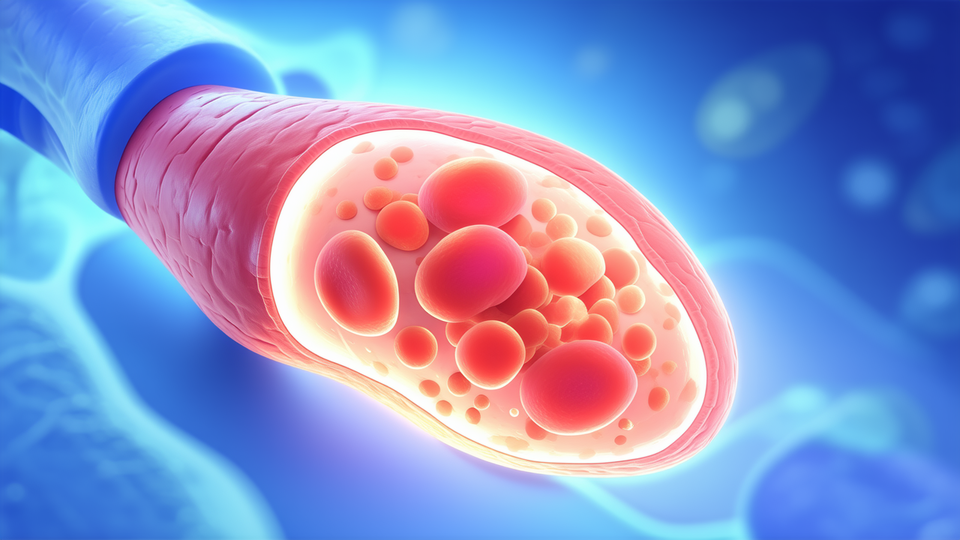
Researchers from Denmark and Spain announced on April 10, 2026 that advanced imaging identified silent atherosclerosis in one in 13 adults ages 18 to 29 who have no known cardiovascular disease.
The finding matters because the plaque buildup can develop for years without symptoms, eventually leading to heart attacks or strokes. Detecting the condition early gives doctors a chance to intervene with lifestyle changes or treatment before clinical events occur.
In the first phase of the REACT study, investigators scanned more than 16,800 volunteers aged 18 to 70. Overall, 57.1% of participants showed plaque in at least one artery, with prevalence rising sharply with age: roughly one in 13 under 30, and about nine in 10 among those 60 to 70.
Men developed plaque five to ten years earlier than women, while women experienced the steepest increase between ages 40 and 60. Conventional risk scores identified only a small fraction of those who already carried silent plaque, suggesting many cases go undetected under current screening practices.
"For decades, we have estimated cardiovascular risk using factors such as age, blood pressure and cholesterol," said Dr. Borja Ibáñez, scientific director of Spain's National Center for Cardiovascular Research. "This study shows that we can now go one step further and detect the disease directly before it causes a heart attack or stroke."
Professor Henning Bundgaard added, "REACT shows that atherosclerosis can be detected decades before clinical manifestations appear and provides the most comprehensive atlas of the evolution of the disease across adult life."
While the researchers see promise in portable ultrasound devices for broader screening, they emphasized that additional clinical trials are needed before widespread adoption. Dr. Sirisha Vadali cautioned that finding plaque does not mean an imminent heart attack, but it does create an opportunity to address risk factors such as tobacco use, physical inactivity, and poor diet.
Experts recommend avoiding tobacco, staying physically active, and eating a diet rich in vegetables, fruits, beans, whole grains, nuts, and fish while limiting saturated fat and excess sodium to help protect heart health.
The next phase of REACT will test whether early detection and targeted preventive measures actually reduce heart attacks and strokes over time, providing crucial data for future screening guidelines.