

Tourists' Close Encounter with Yellowstone Bison Sparks Safety Concerns
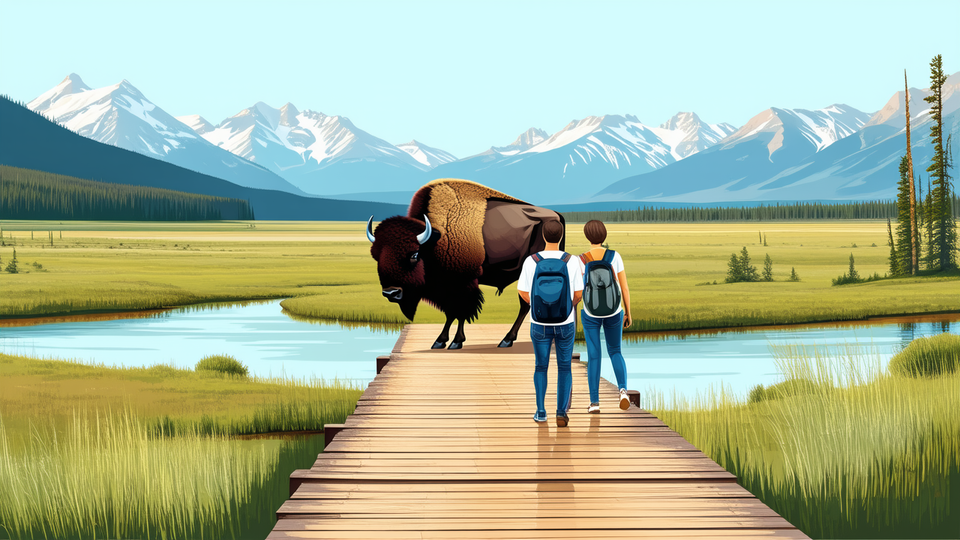
Yellowstone National Park, home to the nation’s largest bison herd, recently found itself at the center of a viral video that sparked a heated discussion about wildlife safety. The footage, posted by the YouTube channel ViralHog, captures two tourists walking onto a boardwalk that lies well inside the park’s designated 25‑yard safety zone for bison. After pausing for a photo, one of the visitors reaches out and appears to touch the massive animal, startling the on‑lookers.
Although the bison in the clip ultimately ignores the humans and the pair walk away laughing, the incident underscores a longstanding issue at Yellowstone: visitors often disregard rules meant to keep both people and wildlife safe. According to the National Park Service, the park supports a herd of between 3,000 and 6,000 bison, the largest free‑roaming herd on public land in the United States. Adult bulls can weigh up to 2,000 pounds, and the animals are known to be unpredictable.
Yellowstone officials have long warned that bison are the species that injures more people than any other animal in the park. The service’s guidelines require visitors to stay at least 25 yards away from bison and elk, and a minimum of 100 yards from bears and wolves. Violating these distances can provoke a charge, potentially resulting in serious injury or, in extreme cases, the euthanasia of the animal.
The recent video reignited criticism from the online community. Commenters expressed frustration and concern, with one viewer noting, “Every day I hate people more and more,” and another warning, “If he charges at them, they only have themselves to blame.” The reaction reflects a broader public sentiment that the allure of a selfie should never outweigh personal safety or wildlife respect.
Park rangers, who monitor visitor behavior, are tasked with intervening when safety zones are breached. In a similar incident captured a few weeks later, a mother turned her back on a bison and then gestured a child closer, prompting a ranger to step in before the situation escalated. These interventions are crucial not only for protecting visitors but also for preserving the natural behavior and habitat of Yellowstone’s iconic species.
Experts emphasize that respecting distance rules benefits the entire ecosystem. When tourists provoke wildlife, animals may feel threatened and react defensively, which can alter their feeding patterns, migration routes, and social structures. Moreover, a sudden charge can endanger other park guests, straining ranger resources and potentially leading to temporary closures of popular areas.
Yellowstone’s management continues to educate the public through signage, ranger briefings, and outreach campaigns. The goal is to foster a culture of coexistence where humans admire wildlife from a safe distance, allowing the park’s bison to roam freely without unnecessary human interference.
As the popularity of social media grows, so does the temptation to capture close encounters with majestic wildlife. Yet, the lessons from these recent videos are clear: maintaining a respectful distance is essential for safety, conservation, and the continued enjoyment of Yellowstone’s natural wonders.





