Trump announces U.S.-funded oil exploration wells in Greenland
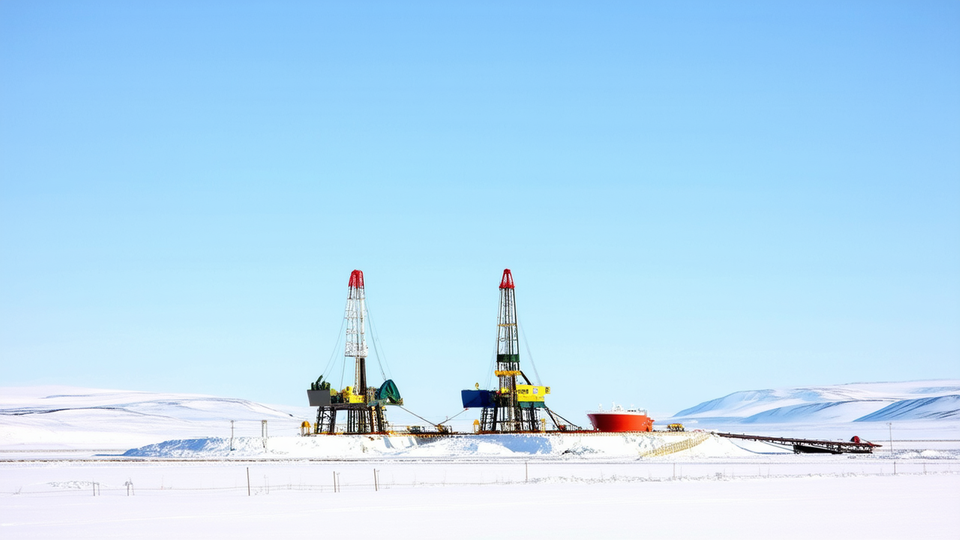
President Donald Trump announced on Oct. 14, 2026 that the United States will fund two exploratory oil wells in Greenland’s Jameson Land Basin, with the U.S. Greenland Energy Company covering 100 percent of the costs.
The plan is presented as a major step toward expanding U.S. energy supplies and reducing reliance on foreign imports. Trump described the effort as “massive oil, gas and mineral exploration,” citing unnamed experts who claim the island holds “easily available oil far greater than that of almost any land.”
In a Truth Social post, Trump also framed the project as a national‑security measure, saying any future attack on the United States would have to cross Greenland and that U.S. defenses would “knock down drones, missiles, or any other form of weapon not yet even conceived.” The announcement follows a security agreement signed last month between the United States, Denmark and Greenland that grants the U.S. permanent military access and blocks non‑NATO powers from establishing bases on the island.
Greenland’s deputy mining minister, Jørgen Hammeken‑Holm, pushed back on the president’s language, stating the territory is “very far away from ‘massive’ exploration.” He noted that only a handful of smaller projects are currently active and that extracting resources in the Arctic could take years. Greenland halted new oil and gas exploration licenses in 2021 over environmental concerns, leaving four existing licenses—three onshore in Jameson Land and one offshore—set to expire in 2027 and 2028.
A 2007 U.S. Geological Survey report estimated that northeast Greenland holds at least 31.4 billion barrels of oil, a figure that underpins the optimism behind the new wells. However, previous drilling attempts since the 1970s have largely come up dry, and the island’s thick ice cover presents substantial technical and ecological challenges.
U.S. Greenland Energy Co. and its joint‑venture partner 80 Mile have indicated they will use the coming months to refine plans, deepen local relationships, and await permitting decisions for a targeted winter‑2027 start. The next public update is expected after the Greenlandic authorities complete their review of the environmental impact and licensing requirements.