Trump pardons Alaska diesel mechanics at rally, calls charges wrongful
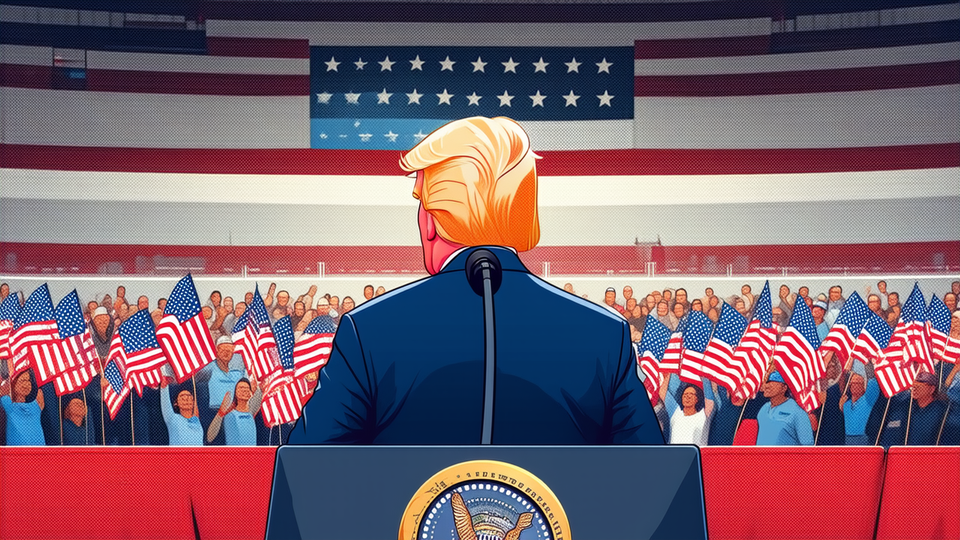
President Donald Trump granted unconditional pardons to Zachary Czubak and Patrick Fleming on Tuesday, October 14, 2026, while standing onstage at a campaign rally in Wasilla, Alaska.
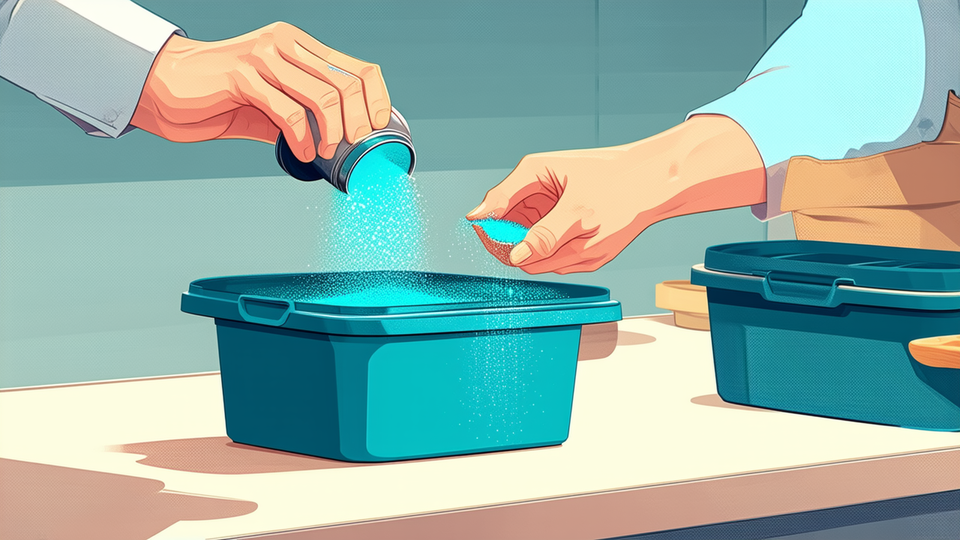
The two men, owners of an Anchorage diesel‑repair shop, had pleaded guilty in 2022 to a single count of conspiracy to violate the Clean Air Act after admitting they removed federally mandated emissions‑control equipment and tampered with monitoring devices on at least 37 diesel vehicles between July 2019 and September 2020. Each was fined $66,000; Czubak received five years of probation in addition to his fine.
Trump told the crowd the prosecutions were a “green new scam” pursued by the Biden administration, saying the government “wanted to put them in jail for 10 years because they fixed an engine.” He added, “I’m giving each one an unconditional pardon,” and riffed that the pardon meant “you’re as clean as a newborn baby’s a**.”
The rally, held at the Curtis D. Menard Memorial Sports Center, was billed as support for Senator Dan Sullivan and Representative Nick Begich. During the event, Trump also warned Alaskans about a “fake Dan Sullivan” on the ballot, urged a repeal of the state’s ranked‑choice voting system, and announced that a long‑awaited 800‑mile natural gas pipeline had secured all required federal permits.
Federal prosecutors from the Biden Justice Department had originally charged Czubak and Fleming with violating the Clean Air Act, a law designed to protect air quality by limiting emissions from diesel engines. The agency’s case highlighted the environmental impact of removing emissions‑control devices, which can increase pollutants such as nitrogen oxides and particulate matter that affect public health and climate goals.
Legal experts noted that while a presidential pardon does not erase the underlying conduct, it restores the individuals’ civil rights and removes the criminal record. The White House did not comment on whether further reviews of similar cases are planned, leaving the broader debate over right‑to‑repair regulations and environmental enforcement to play out in the upcoming midterm elections.