

Trump Shifts Back to Tariffs as Iran Conflict Cools, Targets France and EU
Introduction
As the months‑long conflict between the United States and Iran de‑escalates, President Donald Trump has turned his attention back to the trade arena. The president, known for using tariff threats as a central tool, announced fresh pressure on European partners and outlined new duties aimed at addressing forced‑labor concerns.
Renewed Tariff Threats
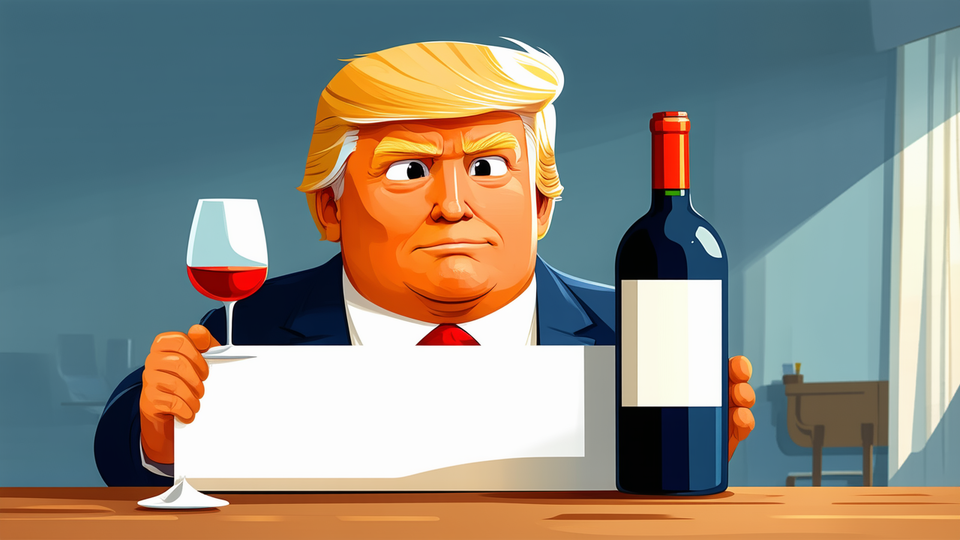
Trump warned French President Emmanuel Macron that a 100% tariff could be imposed on French wine if France does not abandon its 3% digital service tax that targets U.S. tech giants such as Amazon, Alphabet, Apple and Meta. This follows a previous January threat of a 200% levy after Macron refused to join Trump’s “Board of Peace” on Gaza. The president also signaled intent to raise levies on European Union‑manufactured cars, claiming the bloc violated a summer agreement.
The U.S. Trade Representative has meanwhile proposed a 12.5% tariff on imports from Japan, China and India, citing allegations of forced labor. These measures are slated to take effect after a temporary 10% import tax expires next month.
Economic Context and Impact
Trump’s tariff push comes at a time when the economy shows renewed vigor. In the three months after the Iran war’s cooling, the United States added an average of 188,000 jobs per month, a stark contrast to the single‑digit monthly job gains reported a year earlier. However, price pressures remain; inflation rose to 4.2% last month, the highest in three years, while core inflation—excluding food and energy—remained modest at 0.2% monthly and 2.9% year‑over‑year.
Past sweeping tariffs introduced in April of the previous year had temporarily frozen business decisions and hiring. Most of those levies were later struck down by the Supreme Court, allowing markets to recover gradually. The current round of tariff threats signals a renewed willingness to use trade measures to influence foreign policy and domestic economic priorities.
Political Significance
Tariffs have long been a political rallying point for Trump, reinforcing his image as a defender of American industry and workers. By linking trade penalties to geopolitical disputes—whether over a digital tax dispute with France or forced‑labor practices in Asia—Trump positions trade policy as an extension of his broader foreign‑policy agenda. The renewed focus also aligns with his promises to American farmers, who recently heard pledges of new market openings in Iran following a memorandum of understanding that ends the hostilities.
Conclusion
With the Iran conflict cooling, President Trump’s shift back toward aggressive tariff use underscores the central role of trade policy in his administration. The proposed duties on Europe and Asia arrive amid a strengthening labor market and persistent inflation, highlighting both the economic and political stakes of tariff decisions. As the United States navigates these intertwined challenges, the next weeks will reveal how these trade measures shape American businesses, foreign relations, and the broader economic outlook.





