Trump‑Biden 2024 debate marks turning point, undermining Biden’s reelection bid
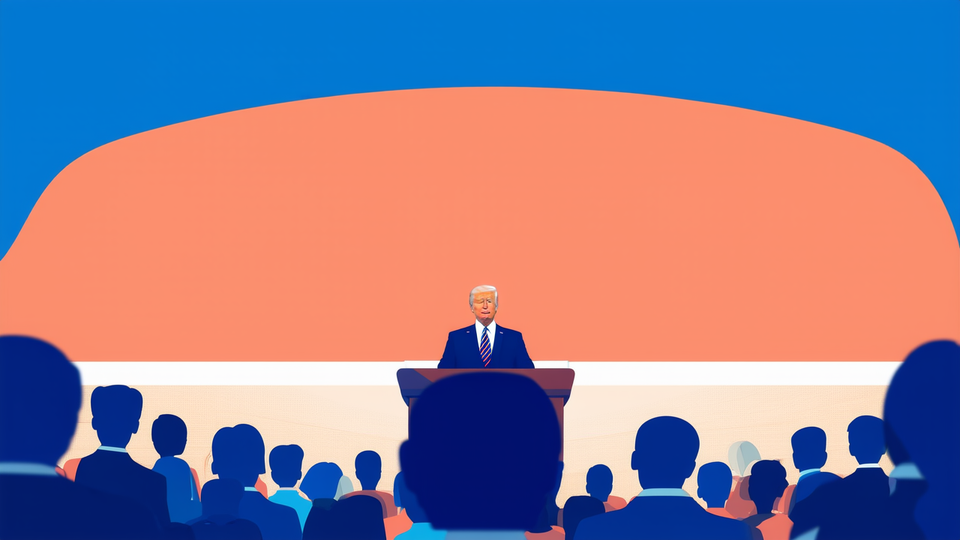
Donald Trump and Joe Biden faced off in a televised presidential debate on October 9, 2026, a moment that analysts say sealed the fate of Biden’s 2024 reelection campaign.
The debate drew substantial online attention, with clips generating thousands to hundreds of thousands of views, yet it did not translate into a noticeable improvement in Trump’s rhetorical standing. Commentators noted that the outcome centered more on Biden’s apparent mental and physical decline than on any decisive blows from Trump.
Political observers point to the debate as a clear example of how a poor performance can sink a campaign. Some Democratic candidates have already opted to avoid future debates, fearing similar damage. Arizona Governor Katie Hobbs, for instance, declined to debate her Republican challenger, mirroring a strategy that proved effective in her 2022 race.
Beyond the presidential stage, recent Senate debates in Georgia and Michigan also produced viral moments, but their impact on those individual races remains uncertain. In Michigan, Democrat Abdul El‑Sayed narrowly defeated Republican Mike Rogers in a primary, while Georgia’s Jon Ossoff maintained a lead over Mike Collins. Polls show modest leads for the incumbents, suggesting that debate exposure alone does not guarantee shifts in voter sentiment.
The broader lesson for the 2024 election cycle is that high‑profile debates can act as accelerators for existing trends. For Biden, the stark visual of his declining stamina reinforced doubts among undecided voters. For Trump, the lack of a rhetorical surge indicated that the debate alone would not reshape his campaign’s narrative.
Campaign strategists now face a pivotal decision: whether to double down on televised engagements or shift focus to other outreach methods as the November election approaches.