

Trump’s Critical Remarks Toward Reporters on Meet the Press
Trump’s Critical Remarks Toward Reporters
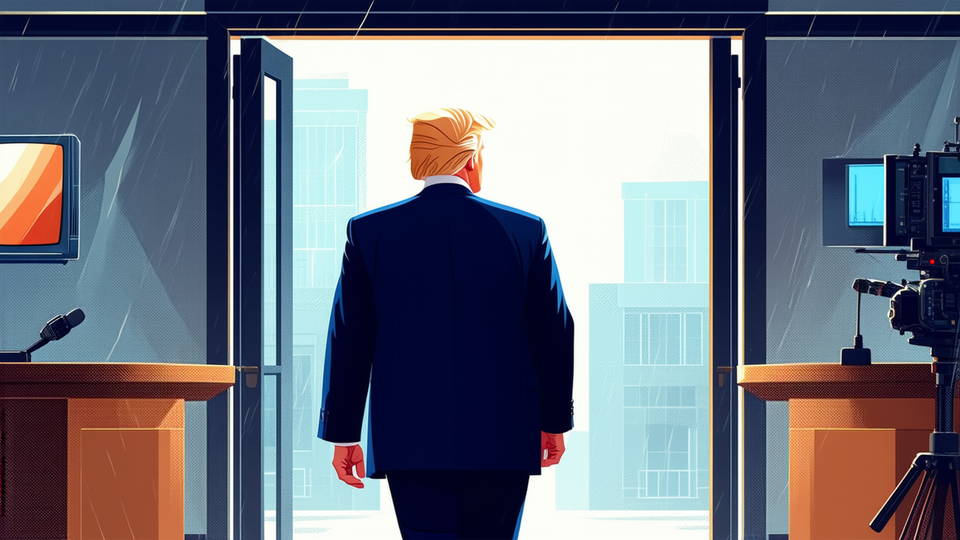
On June 5, 2026 former President Donald Trump appeared on NBC’s Meet the Press to discuss a range of topics. The interview was repeatedly interrupted by a rain‑driven thunderstorm that amplified the tension in the studio. When host Kristen Welker pressed him on unsubstantiated claims of election fraud, Trump abruptly ended the conversation, labeling Welker “either crooked or stupid.” He repeated the accusation, calling the entire NBC News organization “crooked,” and walked out of the set.
That moment was one of several public confrontations in which Trump used disparaging language toward members of the press. Earlier in June, he addressed CNN’s chief White House correspondent Kaitlan Collins, describing her as having “hatred in her eyes” and noting that she “never smiles.” He later demanded that she be quiet when she attempted to interject. In November of the previous year, Trump dismissed ABC News reporter Mary Bruce as “a terrible reporter” after she questioned his refusal to release the Epstein files. During a flight on Air Force One, he pointed a finger at Bloomberg correspondent Catherine Lucey and shouted, “Quiet! Quiet, piggy.”
These incidents illustrate a pattern of confrontational language that has been documented throughout Trump’s public life. The remarks often target the perceived credibility of individual journalists while simultaneously reinforcing broader claims of media bias. By labeling reporters as dishonest, hostile, or incompetent, the former president seeks to undermine the authority of traditional news outlets and to rally supporters who view the press as a political adversary.
Critics argue that such rhetoric corrodes public trust in journalism and erodes the essential role of a free press in a democratic society. When elected officials dismiss factual reporting as “crooked” or resort to personal insults, the line between legitimate critique and intimidation becomes blurred. Supporters, however, contend that exposing alleged media bias is a necessary check on institutional power, especially when they believe coverage is unfairly critical.
Regardless of perspective, the pattern of verbal attacks raises questions about the health of the relationship between political leaders and the media. The Meet the Press episode, set against a backdrop of literal and figurative storms, underscored the volatility that can arise when a prominent figure challenges journalistic inquiry with personal denigration. As the nation continues to grapple with the balance between press freedom and political accountability, the dialogue surrounding these confrontations is likely to remain a focal point of public discourse.





