U.S. Producer Prices Surge to 6.5% Annual Rate on June 11, 2026 Amid Energy Spike
Proposed by a science perspective
U.S. Producer Prices Surge to 6.5% Annual Rate on June 11, 2026 Amid Energy Spike
The Bureau of Labor Statistics released data on Thursday indicating that the Producer Price Index (PPI) rose 1.1% from May to June, bringing the annual rate to 6.5%. This marks the largest 12‑month increase since November 2022 and the highest headline inflation since early 2023.
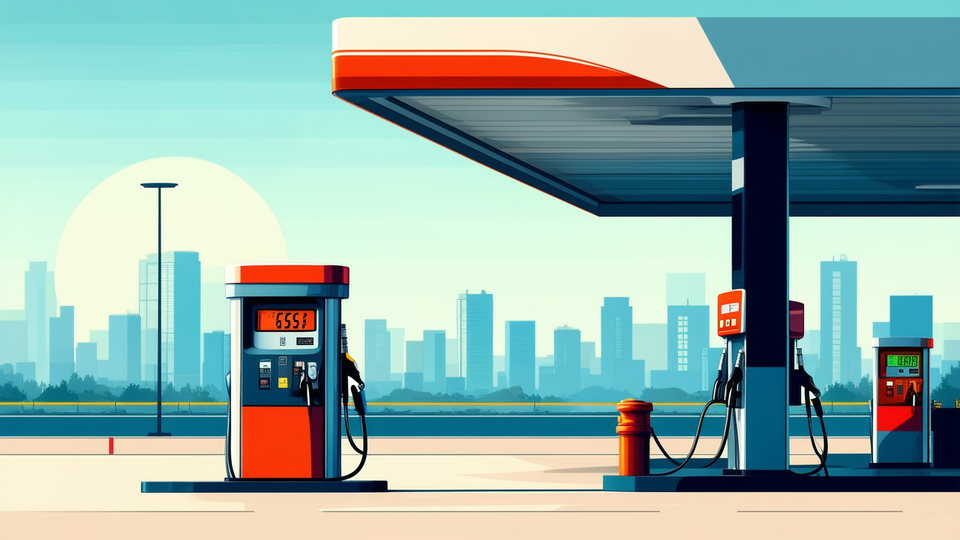
Among the basket of goods, energy led the increase. The gasoline index jumped more than 23%, while diesel and jet fuel saw double‑digit rises. Energy's contribution accounts for roughly 80% of the overall PPI increase, underscoring how price spikes in the Middle East fuel domestic inflation.
Beyond gasoline, the report highlighted several other factors. Prices for finished goods—particularly intermediate demand products—climbed 4.9%, the largest one‑month jump since March 2021. Unprocessed goods in the intermediate demand category rose 4.9% as well, benefitting from a 6.9% rise in processed energy materials. Conversely, pork prices fell 10.1%, providing a minor offset.
In the business sector, core PPI—excluding food and energy—rose 4.9% annually, continuing a trajectory of rising input costs for manufacturers and retailers. The skill shortages and rising wages reported by industry analysts add an additional layer of pressure.
These data arrive just before the Federal Reserve’s next meeting. While the central bank is currently holding rates steady, market expectations suggest that an interest rate hike could begin as early as October, with a 60% probability of a raise by December.
Economists note that the spike in vehicle fuel costs has cascading effects throughout the supply chain, from shipping to retail. The persistent ten‑plus percent fuel premium over the war in Iran, which began late February, remains a key factor in projected sectoral price increases.
In practical terms, higher producer prices translate directly into higher product costs for businesses. A layering effect means that even modest deductions may not fully compensate for the underlying surge, potentially eroding margins and consumer purchasing power.
Governments and policymakers are monitoring the situation closely. The President has signaled a belief that inflationary pressure will eventually subside when the conflict winds down, but the data suggest that domestic impacts will linger for months.
For small businesses, the news emphasizes the importance of reassessing pricing strategies. Adjusting cost structures, hedging fuel expenses, and exploring alternative supply chains can mitigate the adverse effects of elevated producer costs.
Consumers may also feel the impact. As the PPI climbs, the Consumer Price Index, tracked separately by the Bureau of Labor Statistics, has already reflected a rise in overall inflation to its highest level since early 2023. This represents a direct link from wholesale price increases to household expenses.
In sum, the June 2026 PPI data reveal a clear trend of escalating inflation driven largely by volatile energy markets. The combined effects—rising input costs for businesses, pressure on consumer spending, and future monetary policy adjustments—suggest that the inflationary cycle may remain in play long enough to reshape the economic landscape for the rest of the year.