Ukrainian drones strike Russian oil terminal in Rostov-on-Don hours after US‑Russia diesel deal
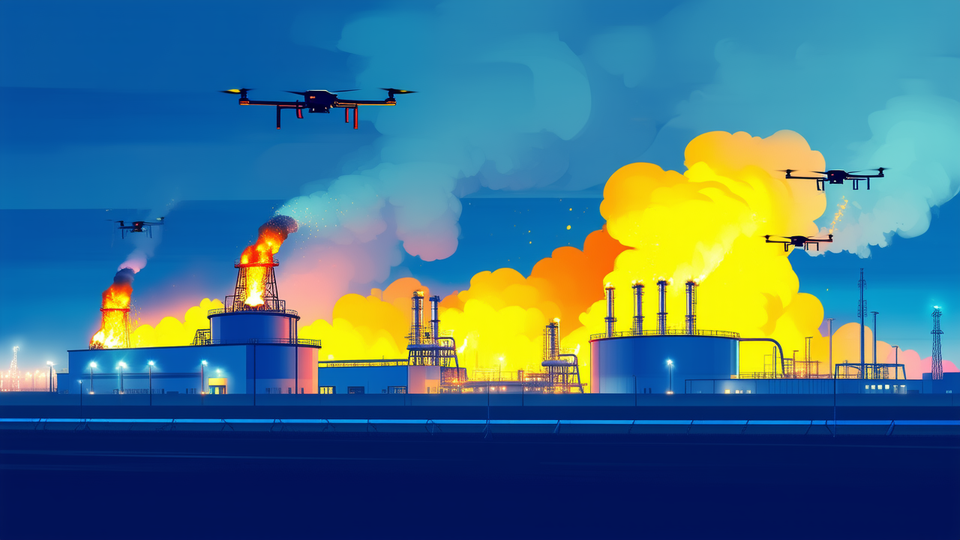
Ukrainian drones struck the NZNP Rostovsky oil products export terminal in Rostov-on-Don, Russia, on the night of October 10, 2026, igniting a large fire just hours after President Donald J. Trump announced a diesel‑supply deal with President Vladimir Putin.
The terminal, also known as the Novoshakhtinsk Oil Products Plant, is a major export hub handling diesel, fuel oil and maritime gasoil for international shipment. Its annual handling capacity is reported at roughly 3.5 million metric tons, making it a critical node in Russia’s fuel‑export network.
President Trump publicized the agreement on Truth Social, saying Russia would immediately deliver more than 300,000 tons of diesel to global markets, followed by 500,000 tons in November and a further million tons thereafter. He framed the deal as a way to bring diesel prices down for American farmers, truckers and other consumers.
Ukrainian military sources warned that the deal would “bear no fruit,” and the drone attack appears aimed at disrupting the arrangement and pressuring Russia over its fuel exports. Satellite data and footage cited by Russian outlet Astra confirmed intense thermal activity at the site, while regional governor Yuri Slyusar said dozens of unmanned aerial vehicles were intercepted and that the strike also damaged a nearby railway bridge and caused limited residential impact.
The terminal had previously been hit in July 2026, indicating a pattern of targeting Russian energy infrastructure. Independent monitoring channels such as Exilenova+ reported the latest strike, and OSINT accounts on social media posted unverified video of the blaze.
U.S. officials had briefly eased sanctions on Russian fuel exports to facilitate the deal, a move that coincided with increased Ukrainian attacks on Russian refineries and export facilities throughout the year. Energy analysts warn that the disruption of a key export point could ripple through global diesel markets, potentially undermining the intended price reductions for U.S. consumers.
Authorities in Russia have not yet provided an official damage assessment, but the fire was described as “major” by on‑site observers. The next steps for both sides remain unclear as the conflict continues to expand into the energy sector.