

Venezuelan Earthquakes Leave Thousands Homeless, Spark Urgent Shelter Crisis
Introduction
In the evening of June 26, 2026, Venezuela was struck by two massive earthquakes that sent shockwaves through the nation. The tremors shattered concrete, collapsed entire apartment blocks, and left the capital, Caracas, and the coastal state of La Guaira in ruins. As aftershocks continued, thousands of residents fled their damaged homes, seeking refuge in any open space they could find.
Massive Displacement and Immediate Hardship
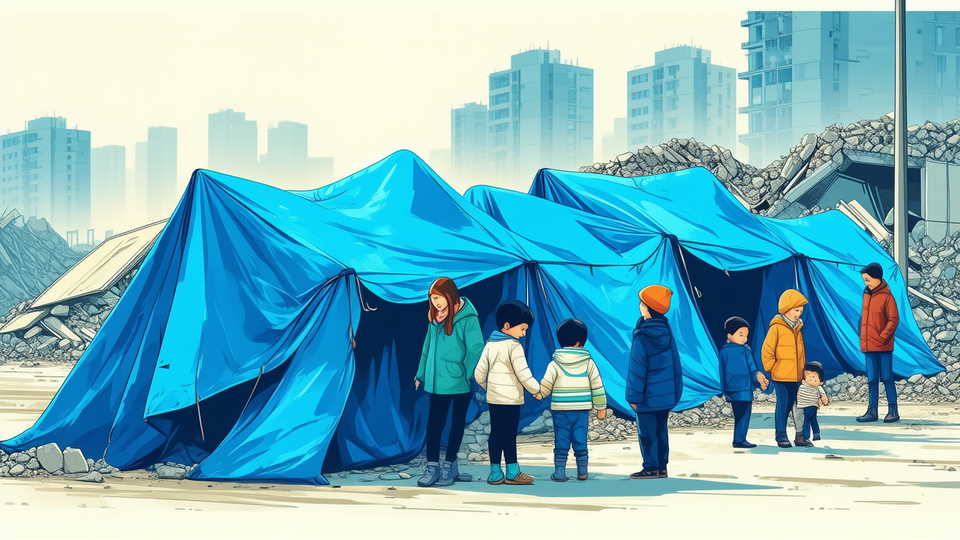
The immediate aftermath saw streets filled with families sleeping on sidewalks, in public plazas, and inside their own cars. Survivors described the scene as “a city sleeping in cars and watching the horizon,” with many neighborhoods resembling war zones. In the Altamira district, a 22‑story building collapsed completely, while the historic Palos Grandes area was reduced to dust, forcing residents to gather under temporary tarps. Essential services such as electricity, water, and communications were disrupted, making it difficult for people to locate loved ones or receive official information.
Health officials reported that the lack of safe shelter increased the risk of disease and injury. Families were forced to improvise, keeping pets close and sharing limited supplies. The psychological trauma of hearing “deafening” metal and concrete groan, followed by relentless aftershocks, left many experiencing severe anxiety and shock.
National Emergency and Humanitarian Response
Acting President Delcy Rodríguez declared a national emergency, acknowledging that “dozens of buildings have collapsed.” The United States, China, Brazil, and several Latin American governments mobilized assistance, sending medical teams, search‑and‑rescue units, and emergency supplies. The U.S. State Department pledged a “big, fast, and effective” response, while international NGOs began setting up makeshift shelters in parks and schools.
Local volunteers organized spontaneous brigades, checking on the elderly, sharing water, and clearing debris with flashlights. Despite these efforts, the sheer volume of displaced persons overwhelmed existing shelters, leading to overcrowded tent cities and improvised sleeping arrangements in vehicles.
Socio‑Economic Impact and Long‑Term Challenges
Venezuela, already strained by years of economic crisis, faces a renewed humanitarian catastrophe. The earthquakes displaced millions in a country where over 7.7 million people had previously migrated abroad. The loss of housing adds to an already critical shortage of affordable shelter, while the destruction of infrastructure hampers recovery.
The disaster underscores the importance of resilient building standards and community preparedness. Experts emphasize that investing in earthquake‑resistant construction could mitigate future loss of life and reduce the scale of displacement. Additionally, coordinated international aid and transparent distribution of resources are essential to support the most vulnerable populations.
Conclusion
The twin earthquakes of June 2026 have thrust Venezuela into an urgent humanitarian crisis, with thousands left homeless and basic services crippled. While heroic efforts from local volunteers and international responders provide critical relief, the nation’s long‑term recovery will depend on rebuilding resilient infrastructure, ensuring sustainable shelter solutions, and addressing the broader socio‑economic challenges that have left many on the brink of despair.





