

Why Americans Are Backing a Stronger Wall Between Church and State
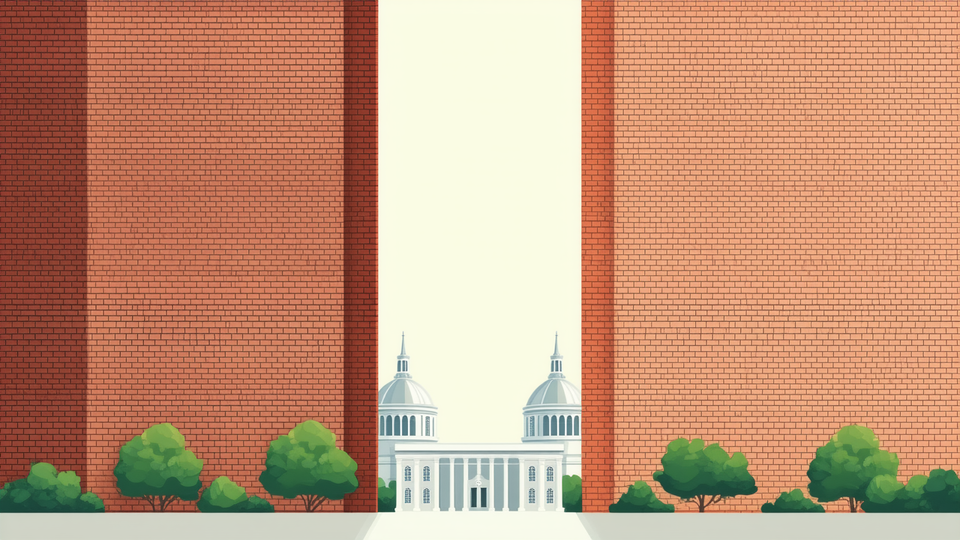
Rebuilding the Wall Between Church and State
Recent polling shows a clear majority of Americans believe that the line between religious influence and government must be reinforced. More than half of respondents—52 percent—said conservative Christians have pushed too far to embed their values in public policy, while nearly the opposite side, 48 percent, felt liberals have overstepped in keeping religious viewpoints out of schools and government. This balanced concern underscores a shared desire for a robust separation of church and state.
The surge of Christian nationalist rhetoric, highlighted in recent public rallies, has raised alarms among scholars and legal experts. Christian nationalism is described as an ideology that ties American identity to a specific form of Christianity, often ignoring the constitutional framework that the nation was built upon. Critics note that this movement has been linked to violent incidents and attempts to reshape public institutions to reflect a singular religious vision.
Founding documents provide strong safeguards against such trends. The Constitution contains no mention of God, and the First Amendment explicitly prevents the government from establishing or endorsing a religion. Article VI further bans any religious test for public office, ensuring that officials are chosen based on merit and the consent of the governed, not on faith. These principles have been upheld by the Supreme Court, which in 1992 struck down school‑organized prayer at a public graduation, emphasizing that government endorsement of religion can threaten free government.
Public opinion reflects an awareness of these protections. Survey respondents across the political spectrum agreed that houses of worship should stay out of politics, indicating a common ground that transcends partisan divides. This consensus suggests that policies reinforcing the wall—such as limiting religious symbols in government spaces, curbing faith‑based lobbying, and ensuring secular curricula—could gain broad support.
Advocates for a stronger separation argue that protecting religious liberty actually enhances freedom for all faiths, including non‑religious citizens. By keeping government neutral, individuals are free to practice—or not practice—any belief without state interference or favoritism. This approach aligns with social‑justice principles that promote equality, inclusivity, and respect for diverse perspectives.
In the coming years, lawmakers and community leaders may consider legislation that clarifies the role of religion in public institutions, drawing on constitutional precedent and contemporary public sentiment. Such measures could help preserve the original vision of a nation where government serves all people, regardless of creed, and where the civic space remains open and welcoming to a pluralistic society.
Strengthening the wall between church and state is not about diminishing faith; it is about safeguarding the freedom of belief for every American. By honoring the constitutional wall, the nation can continue to thrive as a beacon of liberty and democratic values.





