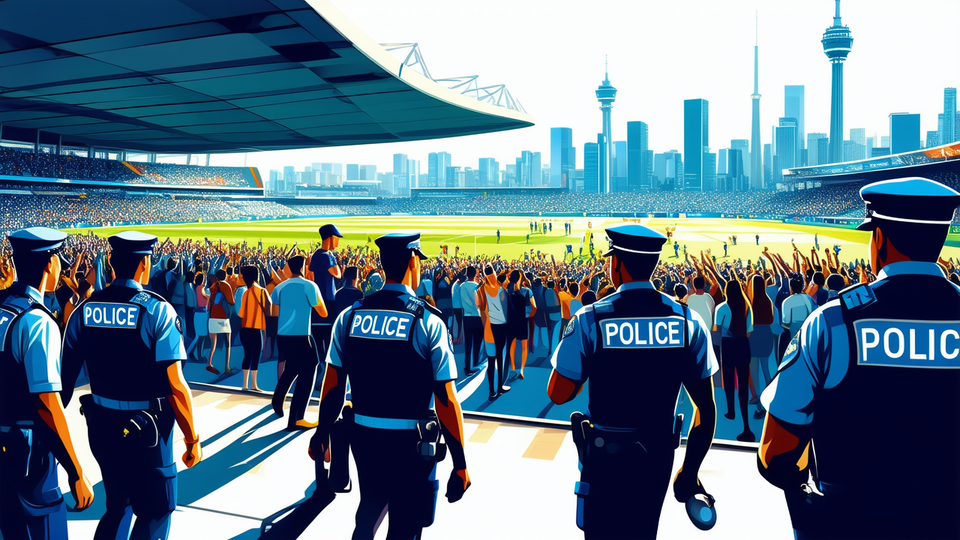
10-06-2026 | World Cup Ticket Sales Slump

Why the 2026 World Cup Is Failing to Fill Stadiums
The 2026 FIFA World Cup, the first tri‑nation edition held across the United States, Mexico, and Canada, has once again drawn attention to a long‑standing issue: large swaths of empty seats. Observers note that the problem is not a new one; for decades, FIFA has struggled to reach full attendances at its marquee event.
Statistical Snapshot
TicketData.com reports that approximately 25,000 seats remain unsold on FIFA’s primary ticketing platform, while around 17,000 are listed on the resale terminal for host‑nation games alone. These numbers are shifting, but the overall trend remains: a considerable inventory of unsold tickets days before the tournament opens. Earlier in May, FIFA announced the sale of more than 5 million tickets, yet the distribution of those sales has unevenly favored high‑profile matches and high‑price tiers.
Pricing and Accessibility
Ticket prices for the tournament surged, with premium seats for the United States opener priced at $2,735, surpassing the final cost of the 2022 World Cup final. Even the lowest tier starts at $1,120. Such steep pricing deters many fans, especially in markets where soccer traditionally competes with a range of entertainment options. The rise in ticket costs coincides with reports of reduced hotel booking rates in host cities, hinting at a broader decline in travel demand for the event.
The Role of Resale Markets
As official sales taper, a wave of tickets moves to secondary markets. Both official resale and third‑party platforms like StubHub and SeatGeek exhibit lower demand, evidenced by declining prices that peaked mid‑May. An analysis found that about 180,000 tickets remained listed on FIFA’s resale portal just days before matches began, suggesting that the organization may be actively reallocating inventory to support price reduction.
Historical Context
Empty seats are an enduring challenge. In 2010, the South Africa tournament saw noticeably vacant stands at several group‑stage matches. In 2014, Brazil faced similar criticism, with FIFA attributing missing audiences to “no‑shows” from corporate and government ticket holders. The 2018 Russia edition produced visible blocks of unfilled seats at the Ekaterinburg Arena, and the 2022 Qatar tournament saw a “sometimes inaccurate” correlation between official attendance figures and visual occupancy. These past patterns underline a persistent gap between supply, demand, and price.
Potential Drivers Behind the Shortfall
There are three main contributors to the current slump: high prices, limited fan interest (especially for lower‑profile teams), and market saturation due to the expanded 48‑team, 104‑match format. Economic uncertainty and a saturated global sports calendar further diminish the willingness to pay premium prices for match day experience.
Implications for Stakeholders
Organizers face financial pressures: large unsold inventories indicate a potential reduction in revenue that could affect stadium renovations and community programs. Host‑city officials worry about the anticipated influx of tourism, whereas sponsors emphasize the value of full stands for brand exposure. The broader soccer ecosystem—clubs, broadcasters, and governing bodies—must grapple with sustaining audience engagement in an age of streaming and targeted content.
What Might Change?
While FIFA emphasizes a “high degree of interest” across all matches, the data indicates that per‑event demand varies sharply. A last‑minute surge in sales is possible if fan enthusiasm spikes, or if price adjustments are implemented. Transparency in ticket inventory and real-time updates on empty seats might restore confidence and encourage last‑minute purchases.
Conclusion
The 2026 World Cup continues a historic pattern of under‑sell ticket sales. High cost barriers, uneven demand distribution, and an inflating match schedule conspire to leave many seats empty. Addressing these challenges will require coordinated efforts across pricing strategy, fan outreach, and transparent communication to ensure the event retains its place as a global sporting spectacle.