Alberta's AI Data Center Plans Face Resident Opposition – 06-09-2026
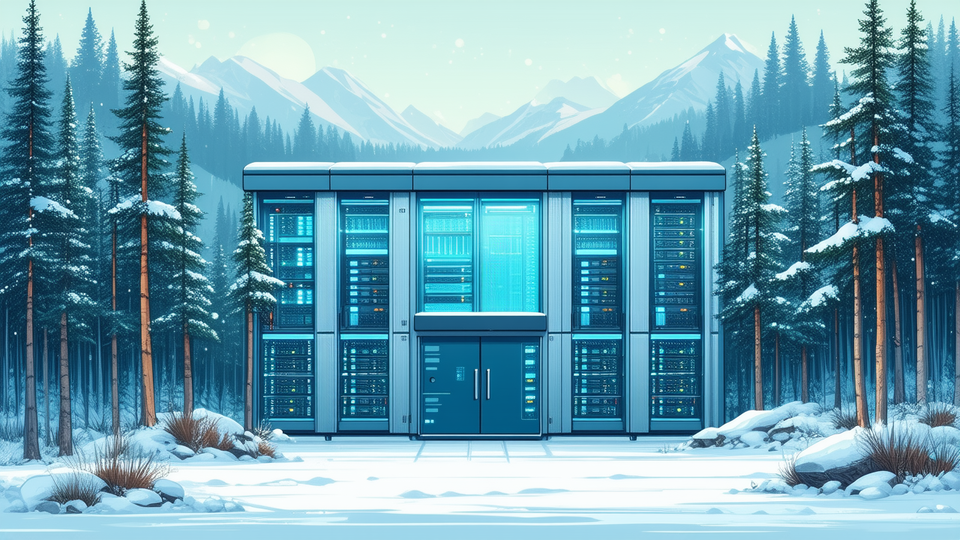
Alberta’s strategy to attract artificial‑intelligence (AI) data centres has accelerated in recent months, with the province marketing its abundant natural‑gas supply and cool climate to high‑tech developers. The proposed Wonder Valley project, spanning roughly 7,000 acres in northern Alberta, would consume a multigigawatt power footprint, positioning Alberta as a prominent North American data‑centre destination.
Supporters argue the project could create jobs, bring investment and anchor Alberta’s presence in the global AI economy. They point to the province’s record that it produced about 60 % of Canada’s natural gas in 2024, offering developers inexpensive fuel and a competitive electricity market.
Critics, however, question whether the region can sustain the massive energy demand. Residents in rural counties and First Nations communities have highlighted concerns over water use, land disruption, and a perceived lack of consultation. In Rocky View County, a council vote of 6‑1 rejected a data‑centre plan in September 2025, citing farmland impacts and water‑consumption worries.
Water use is a central issue. A March 2026 investigation by Canada’s National Observer found that three‑quarters of 38 proposed Alberta data‑centre campuses are located in areas facing high or extremely high water stress. One example near the hamlet of Indus predicts a daily water use of 1,500 cubic metres—about 547 million liters annually—an alarming figure in a province prone to droughts and water restrictions.
Indigenous representation adds another layer of contention. Chief Sheldon Sunshine of the Sturgeon Lake Cree Nation has accused the provincial government of bypassing environmental scrutiny and Indigenous engagement. He claimed the province granted a water licence for the Greenview project without consultation and pursued a “piecemeal” approval structure to avoid direct dialogue.
These concerns have escalated into legal challenges. The Sturgeon Lake Cree Nation is seeking a judicial review of the water licence granted by Alberta’s Court of King’s Bench, arguing that the nation was denied advance notice and the chance to weigh in. Provincial officials have stated they are awaiting court outcomes, while community leaders continue to push for a more inclusive decision‑making process.
Alberta’s data‑centre ambitions coincide with a broader North American race to attract AI infrastructure. Ontario and Quebec lure projects with cheaper electricity and cleaner grids, while Virginia in the United States has experienced record electricity‑load growth from data centres. Alberta seeks to follow this trend but must navigate the constraints of grid capacity, local resource strain, and heightened community scrutiny.
As the province gathers momentum, the ultimate test lies in winning public trust. While powerful incentives and abundant fuel are attractive to developers, the argument that such growth must translate into tangible, local benefits remains at the forefront of resident concerns. The province must demonstrate how data‑centre projects can coexist with environmental stewardship and robust community engagement to fully realize its AI aspirations.