FDA‑Approved Vibration Belt Reduces Bone Loss in Post‑Menopausal Women
FDA‑Approved Vibration Belt Reduces Bone Loss in Post‑Menopausal Women
More than 40 million adults in the United States aged 50 and older have osteopenia, the early stage of bone loss that can progress to osteoporosis. A new, low‑intensity vibrating belt, approved by the Food and Drug Administration in 2024, offers a non‑pharmacologic way to slow that decline.
How the Belt Works
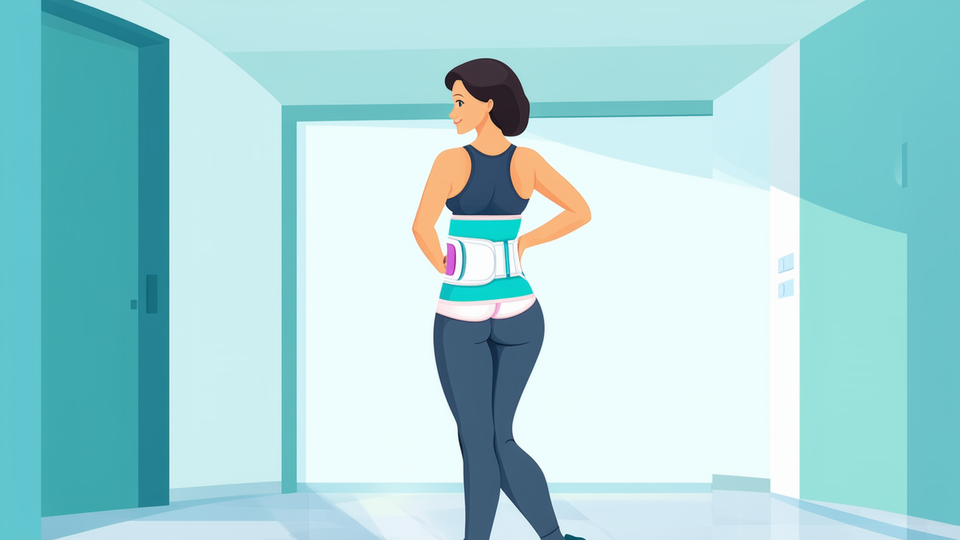
The device—often called the Osteoboost belt—wraps around the hips and lower back. It delivers gentle mechanical vibrations that mimic the signals produced when muscles contract. These signals stimulate osteoblasts, the cells that build new bone. The effect is similar to the benefits of weight‑bearing or resistance exercise, but can be achieved while walking, doing cardio or even sitting at a desk.
Clinical Evidence
A randomized, double‑blind trial that enrolled 126 women in their 50s and older found that those who used the belt for 30 minutes each day lost only 0.5 % of their spinal bone strength over a year. In contrast, the placebo group lost 2.84 %. The study reported an 83 % reduction in the rate of bone loss for belt users. The research team noted that while the data did not directly show fewer fractures, the improvement in bone strength is a strong indicator of lower fracture risk.
NASA Origins and Ongoing Research
The technology stems from NASA research aimed at protecting astronauts from bone loss in zero gravity. That early investigation led to the development of vibration plates and, later, wearable versions that target the spine and hips.
Real‑World Use
Andrea Bloom, 59, from Pleasanton, California, began wearing the belt after a diagnostic scan revealed osteopenia. She used it around 30 minutes each morning while walking her dog. Bloom reports that her most recent scan shows a marked improvement in bone density, and she attributes that success to a combination of the belt, dietary changes (including dried plums), and increased physical activity such as jump rope and cardio sessions.
Professional Guidance
Dr. Pamela Peeke, chief medical officer for Osteoboost, recommends using the belt as an adjunct to traditional bone‑health measures—including adequate calcium and vitamin D, regular weight‑bearing exercise, and healthy sleep patterns. Dr. Eric Ascher, a primary care physician, cautions that while the device can be helpful, it should not replace core lifestyle habits. He also notes that the devices are generally safe but advises consulting a healthcare provider before use, especially for individuals with conditions such as blood clots, recent concussions, or pacemakers.
Economic Considerations
As the only FDA‑approved vibration device specifically authorized for osteopenia, the belt costs about $1,000 out of pocket—insurance typically does not cover it. Over‑the‑counter vibration plates are widely available, yet the evidence supporting those products remains limited.
Broader Context of Bone Health
While the belt focuses on the spine and hips—sites of most serious fractures—bone health remains a systemic issue. Dr. Kristi DeSapri, founder of Bone and Body Women's Health, emphasizes the importance of early screening with DEXA scans, especially around menopause. She notes that many women decline screening and, when diagnosed, remain untreated. Prevention, therefore, hinges on both lifestyle interventions and timely medical evaluations.
Moving Forward
Vibration therapy sits within a growing portfolio of non‑pharmacologic tools aimed at preserving bone health. Ongoing studies, such as those at MD Anderson Cancer Center, are exploring the therapy’s impact on muscle as well as bone. For now, the vibrating belt offers a promising, FDA‑backed option that, when paired with diet, exercise, and regular monitoring, can help older women maintain stronger bones and reduce the risk of fractures.
Conclusion
The FDA‑approved osteo‑vibrating belt provides a scientifically grounded, user‑friendly method to curb bone density loss in post‑menopausal women. While not a standalone cure, it complements established bone‑health practices and offers a tangible step toward safer aging.