May 2026: Washington D.C. Faces a Harassment Reckoning After Katie Miller’s Remarks
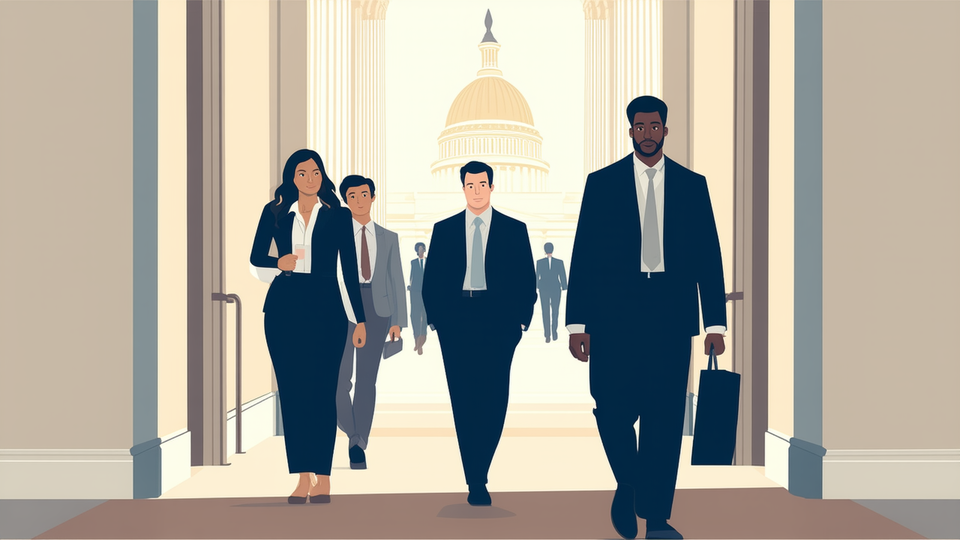
Washington D.C.’s Harassment Crisis Goes Public
On June 2, 2026 CNN reported that more than a dozen congressional staffers have experienced harassment from lawmakers and senior staff, yet most chose not to file official complaints out of fear of retaliation or “professional exile.” The report highlighted a pattern of inappropriate advances, from a congressman who asked a staffer if she wanted a threesome to a chief of staff who offered Venmo money in exchange for a sexual favor.
Nature of the Problem
Women described a complex web of reporting pathways: the Ethics Committee, the Office of Congressional Workplace Rights, the Office of Congressional Conduct, and the Office of Employee Advocacy. All these offices require detailed deadlines, rely on anonymous or pseudonymous complaints, and often culminate in investigations that feel “no man’s land.” Reported cases frequently result in “not enough evidence” dismissals or discreet settlements—often after the victim has already lost a job or career prospects.
By refusing to be transparent, the Capitol Hill culture allows distress to remain invisible. Victims fear being labeled a “problem staffer” or become scapegoats; they also struggle to keep their anonymity protected. In many instances, reporting the misconduct means that names and positions are quickly linked, leading to ostracism within the networked environment of Washington.
Katie Miller’s Reaction
In response, podcaster and former Trump official Katie Miller blamed female staffers for the problem, suggesting that the “after‑hours culture” in Capitol Hill leads to “late nights with all staff.” Her statements were met with immediate backlash, as commentators accused her of victim‑blaming. Miller’s comments also drew attention to a pattern of both Trump and Musk facing sexual harassment accusations—body politics, the writer shocked many who had once viewed her as a neutral journalist.
Moving Toward Accountability
Congressional leaders are now confronting the issue head on. A bipartisan task force, led by Rep. Kat Cammack, is discussing reforms to make the reporting process more accessible and less intimidating. The Ethics Committee’s chairman has called for additional funding and staff, proposing the absorption of the Office of Congressional Conduct.
However, without structural change, women will likely continue to avoid formal complaints. In a jurisdiction where reviewing a single allegation can take months or even years, the personal and professional toll is high, and many choose to leave Congress rather than risk retaliation. The crisis demands a clearer, faster path and a culture that signals zero tolerance for harassment.
Conclusion
The recent incident underscores a need for Congressional leadership to own the problem, not attribute blame to victims, and reform the entire reporting system. Accountability and protection must coexist, ensuring that staffers feel safe to voice concerns without fearing job loss or ostracism. Only then can Washington truly uphold the standards it expects of its representatives.