U.S. Strikes Target Iranian Military Sites Over Weekend, Amid Congressional Scrutiny
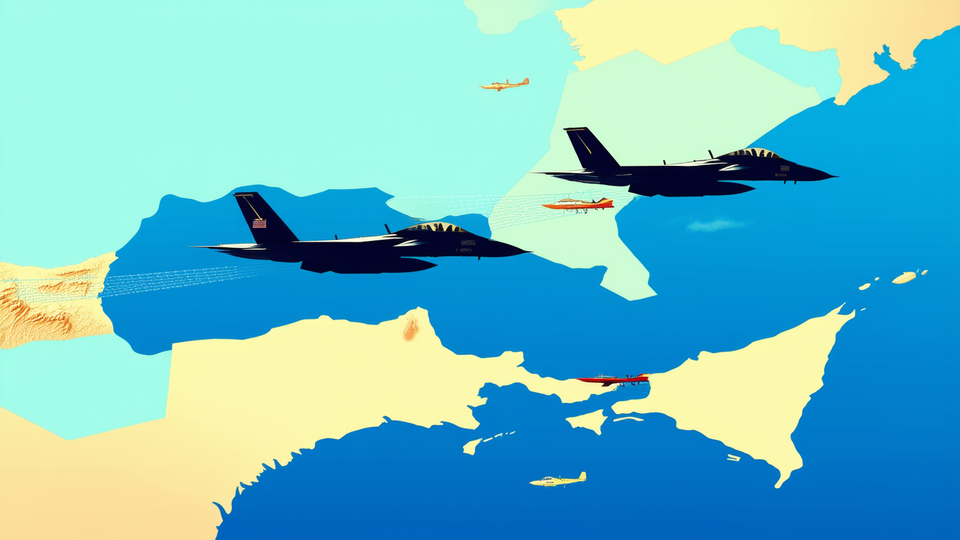
U.S. Air Strikes on Iranian Sites Over Weekend
Over the weekend of early June, United States aircraft targeted multiple Iranian military installations, including a drone‑control center on Qeshm Island in the Strait of Hormuz. The Central Command stated the strikes hit air‑defense systems, a ground control station and two attack drones that were deemed threats to commercial shipping in the region.
The airstrikes followed a separate event in which Iran shot down a U.S. MQ‑1 Predator drone operating over international waters. In response, the U.S. shot down two Iranian ballistic missiles launched toward bases that host American troops. These actions were part of an escalation that has kept the Strait of Hormuz—a critical global oil transit point—tightly controlled.
Concurrently, the U.S. incident has increased focus on a previously less prominent issue: a $1.8 billion anti‑weaponization fund created as part of a settlement from a lawsuit the former president filed against the IRS. While the fund was intended to pay individuals who claim they were targeted by the federal government, critics argue it could potentially provide financial support to Jan. 6 insurrectionists and other unwanted recipients.
Congressional leaders argue that the President’s unilateral allocation of the money sidesteps the normal appropriations process and could set a dangerous precedent. House Republicans and Democrats voted to delay the immigration bill because of the fund, citing concerns about oversight and potential misuse. The debate continues in Senate and House committees, with some members proposing amendments to explicitly bar the creation of the fund.
The courts are also weighing in. A Virginia judge temporarily blocked the establishment of the fund, and a federal judge now requires the Trump administration to respond to a judicial motion accusing the lawsuit itself of fraud. The fund’s future remains uncertain while the judiciary reviews the underlying claims that created it.
On the international stage, the U.S. and its allies are closely monitoring the climate in the Mediterranean and Middle Eastern waters. Israel has intensified operations against Hezbollah in Lebanon, and Iranian-backed forces remain active. The risk of miscalculation in these vastly interconnected theaters remains high, and the recent U.S. strikes underscore the fragility of the delicate ceasefire arrangement at the Strait of Hormuz.
Overall, the weekend's airstrikes and the concurrent legislative scrutiny paint a picture of a U.S. military apparatus on alert while its political and legal frameworks are in flux. The outcomes of these events will affect not only the U.S. and Iran but the global community that relies on stability in this key maritime corridor.