Cuba’s economy collapses as military conglomerate GAESA grips 40 percent of activity
Cuba’s economy slid further into collapse in October 2026 as the military‑run conglomerate GAESA now controls roughly 40 percent of economic activity, while the country faces an estimated $90 billion price tag to restore basic services.
The deterioration is stark: most Cubans receive only a few hours of electricity each day, average monthly wages have sunk to $16, and the population has fallen from 11 million to under 9.5 million in just five years as young workers flee for better prospects.
GAESA – Grupo de Administración Empresarial S.A. – owns the island’s ports, hotels, gas stations and many other large commercial entities. Its grip on the economy is seen as a major impediment to growth, especially as tourism has collapsed, airlines have ceased flights due to a lack of jet fuel, and municipal services such as sewerage and trash collection have broken down.
The economic strain is compounded by the loss of Venezuelan support. Once a lifeline during Cuba’s “special period,” Venezuela’s reduced aid has left the Castro regime scrambling for resources. The United States, despite the embargo, became the top fuel supplier in 2026, delivering $231.7 million in fuel to private Cuban firms before several shipments were intercepted by U.S. authorities.
Inflation is runaway, with the official exchange rate of 24 Cuban pesos to the dollar starkly at odds with market estimates that reach 700 pesos per dollar. Debt tied to expropriation claims totals about $9 billion, a sum the current government cannot service without liquidating assets like GAESA, which the military would likely resist.
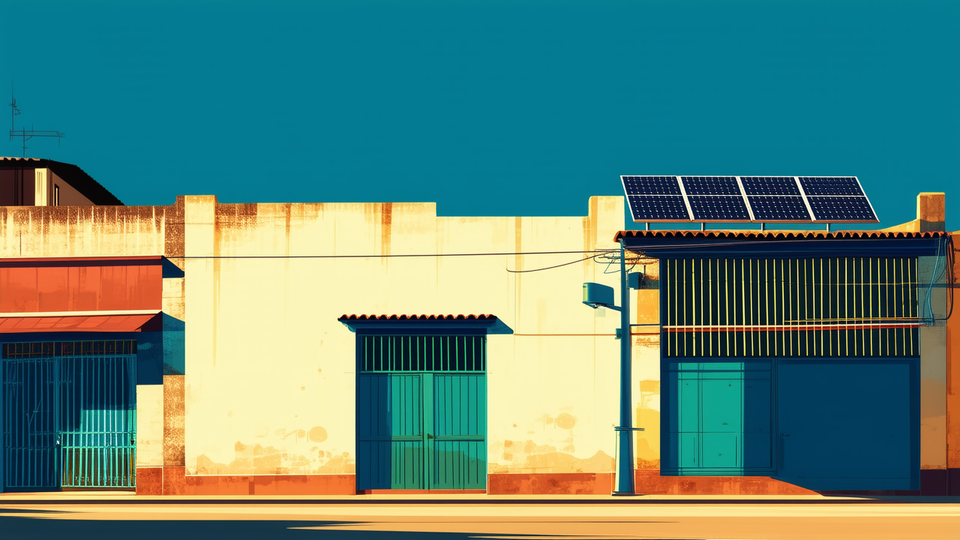
Amid the crisis, private entrepreneurs have emerged as trash haulers and solar panel installers, with some Cubans purchasing American‑made solar kits while the state continues to buy Chinese equipment to shore up the failing grid.
Analysts warn that the island faces two dangerous pathways: it could become a narco‑state, mirroring the drug‑trafficking rise in neighboring Venezuela and Colombia, or it could fall under increasing Chinese influence as a strategic foothold in the Western Hemisphere.
Future reforms, such as the new legal framework allowing private companies to engage in oil and gas exploration for up to 50 years, may offer a narrow opening, but without broader economic liberalization and a resolution of the military’s entrenched role, Cuba’s recovery remains uncertain.